In this guide
What carton measurements should I send for a 1688 shipping quote?
Send a separate record for each carton: carton ID, order and contents references, external length, width and height with units, and packed gross weight. State whether the figures are estimates or measurements of the final closed carton. Include the measurement date and packing revision. Ask the provider which units, dimension order and charging rules its proposed service uses before treating the figures as a final freight basis.
Label estimates before the final packing exists
A supplier may need to estimate packing before production or dispatch. Ask what the estimate describes: a product, retail pack, supplier carton or proposed consolidated carton. Mark it as provisional and record the expected carton count. Name who will provide measured figures and when. If suppliers send several carton types, keep those types separate. A product’s listed dimensions and net weight cannot stand in for the outer shipping carton’s dimensions and gross weight.
Measure the outside of the closed, fully packed carton
DHL’s India measurement guide describes measuring a fully packed, closed box on a flat surface, using its external dimensions at the widest points. Its UK FAQ recommends a tape measure or ruler and asks for centimetres. Use suitable measuring equipment and include any bulges or projections in the outside dimensions. Follow the proposed provider’s form for dimension names and order; where it defines length as the longest side, use that definition. Keep the unit beside every figure. Confirm the measuring method separately for irregular packing or a palletised load.
- DHL India: How to measure box size (closed, fully packed external measurements)
- DHL Express UK: Size, weight and packaging FAQ (measurement units, equipment and reweighing)
Record the final closed carton
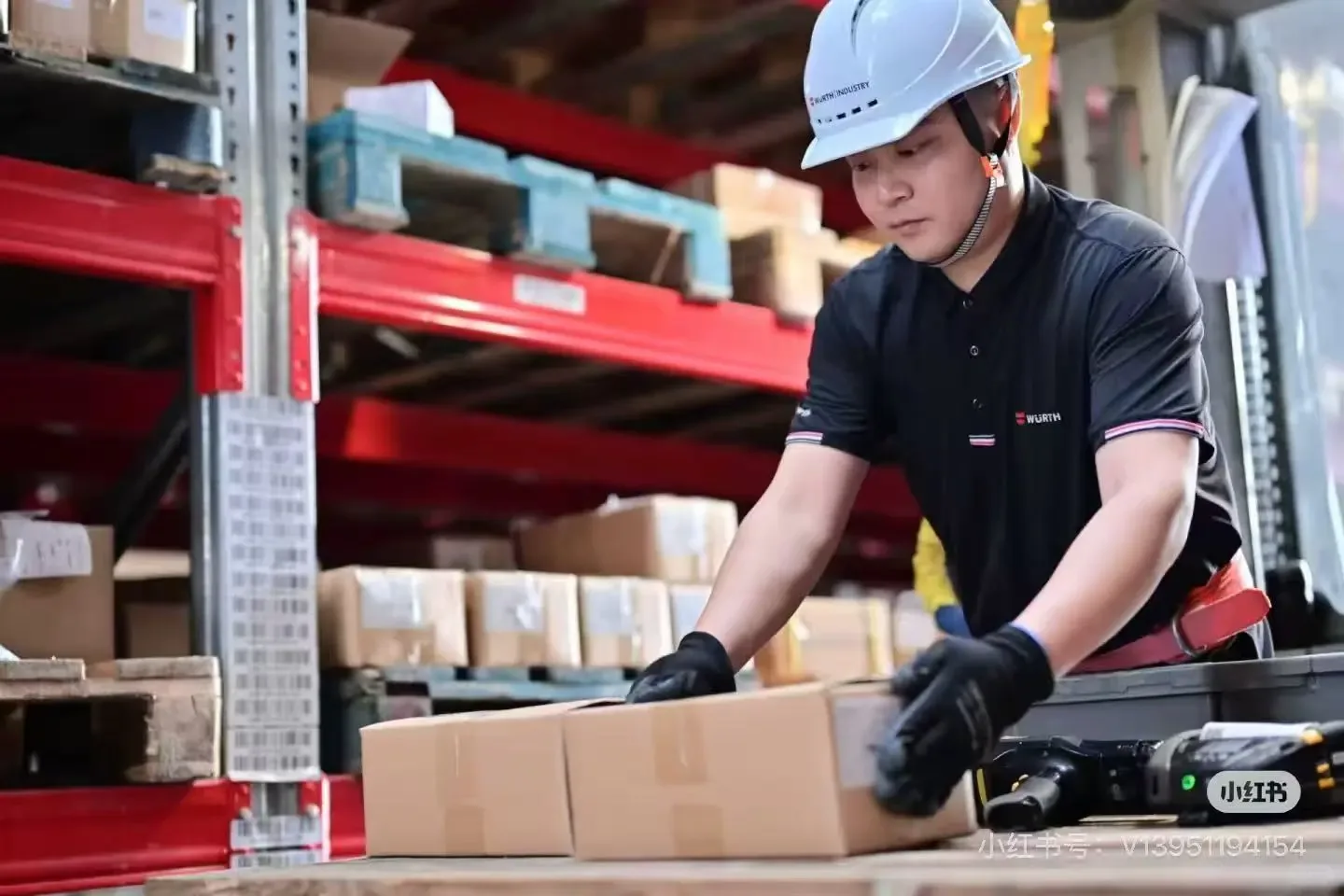
Measure the external length, width and height of the fully packed, closed carton. Keep the unit beside every figure and follow the proposed provider's dimension order.
Record the gross weight of that same packed carton
Request a scale reading for the carton in the packing state just measured, including the goods, box, protective material and other contents. DHL’s UK FAQ recommends accurate scales and records weight in kilograms. Ask the supplier or warehouse to use equipment suitable for the load and its handling arrangements. For heavy or awkward cartons, request a safe warehouse measurement rather than asking someone to lift the carton onto a household scale. Match the reading to the carton ID. A photograph showing the ID and reading can support the record; the transport provider still applies its own measurement and charging process.
Keep a record that another person can check
Copy these fields into a sheet and complete them for each physical carton. Link mixed contents to an itemised packing list. Keep differently sized or weighted cartons on separate lines, even if they belong to the same order. This is our suggested record; confirm any extra fields the provider needs. Use one stated unit for each measurement column and check any conversion before sending the sheet.
Scroll sideways if needed. Keyboard: focus the table area and use the left and right arrow keys.
| Field | What to enter | What to check |
|---|---|---|
| Carton ID | Unique ID visible on the packed carton | The ID matches photographs and the packing list |
| Order and contents | Supplier, order reference, SKU or packing-list line references, and quantities | Mixed contents remain traceable to the individual order lines |
| Packing state | Provisional estimate or final measured packing; packing revision | The figures describe the carton that will be handed over |
| External dimensions | Length, width and height, with the unit for each | The dimension order matches the provider’s form |
| Gross weight | Packed carton weight and unit | The figure includes packing and belongs to this carton ID |
| Measurement record | Date, measurer or warehouse reference, and evidence reference | A later change can be traced to a new measurement |
| Current revision | Sheet version and reason for any change | The provider has acknowledged the version now being used |
Add the measured cartons without averaging their sizes
The following figures are invented to show the arithmetic. For rectangular cartons measured in centimetres, length × width × height ÷ 1,000,000 gives cubic metres. Add each carton’s calculated volume and each gross weight separately. These totals describe the recorded packing. Volume in cubic metres and volumetric weight in kilograms are different quantities; the table does not calculate a chargeable weight or a freight price. Keep the carton lines when sending the totals so the provider can apply its own method.
Scroll sideways if needed. Keyboard: focus the table area and use the left and right arrow keys.
| Carton ID | External dimensions | Gross weight | Calculated volume |
|---|---|---|---|
| A | 60 × 40 × 30 cm | 12 kg | 0.072 m³ |
| B | 50 × 40 × 35 cm | 8 kg | 0.070 m³ |
| Total: 2 cartons | Keep the two dimension records | 20 kg | 0.142 m³ |
Send the current record and agree how changes affect the quote
WorldFirst’s Australia shipping guide explains that charges can depend on actual or dimensions-based weight and that a quote needs its wider cost scope checked. Ask the proposed provider which method applies to your route and service, including units, divisor if applicable, rounding, minimums and any remeasurement process. DHL’s UK FAQ describes reweighing parcels, illustrating why a submitted weight may later be checked. After consolidation or repacking, assign or update carton IDs, measure the final closed packages again and replace the superseded sheet. Request confirmation of the revised quote before approving a changed shipment.
- Identify the exact packing revision used for the quotation
- Ask whether charging rules apply per carton or to the shipment total
- Confirm how measurement differences are reported and charges adjusted
- Keep the provider’s response beside the packing record and quote
- WorldFirst Australia: Shipping from 1688 (weight basis and wider quote scope)
- DHL Express UK: Size, weight and packaging FAQ (measurement units, equipment and reweighing)
Replace the record when packing changes
After consolidation or repacking, update the carton IDs and measure the final packages again. Send the dated revision with its dimensions and gross weights so the provider can confirm any effect on the quote.
Prepare the carton data for your shipping enquiry
Share the carton record, its estimate or measured status, the goods description, China location and intended UK destination. Include any planned repacking so we can discuss the shipping scope and the information still needed for a quote.
Questions before you order
Can I get an initial quote before the cartons are packed?
Ask whether the provider can quote from clearly marked estimates. State what each estimate describes and when final packed measurements will be available. Record which parts of the quote may change when the actual carton count, dimensions or gross weights are confirmed.
Can I use the average carton size for several suppliers’ orders?
Keep each carton’s dimensions and gross weight tied to its ID. Averaging different sizes removes information the provider may need for its charging and handling rules. Send the individual lines with the totals, and ask the provider to confirm the format it accepts.
Is 0.142 m³ the chargeable weight of the example shipment?
No. It is the combined calculated volume of the two invented rectangular cartons. Chargeable weight, if used by the proposed service, requires that provider’s applicable method. Ask for its units, conversion rule, rounding and whether it calculates each carton separately.
Do I need new measurements after consolidation or repacking?
Measure the final closed packages when their contents or packing changes. Update the carton IDs, dimensions, gross weights, date and sheet revision. Send the replacement record to the provider and ask it to confirm any effect on the quote before approving the changed shipment.
Related visual references
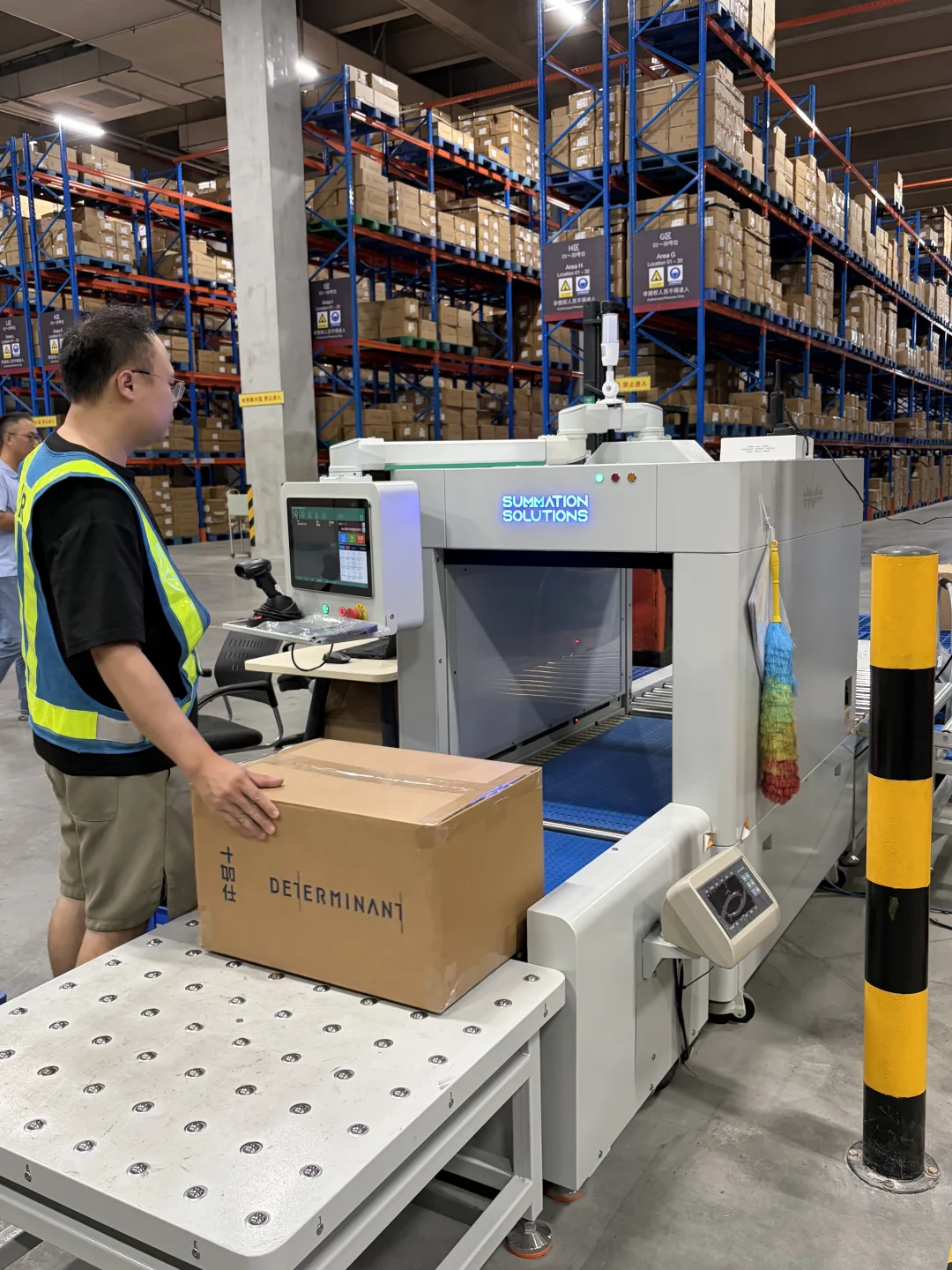
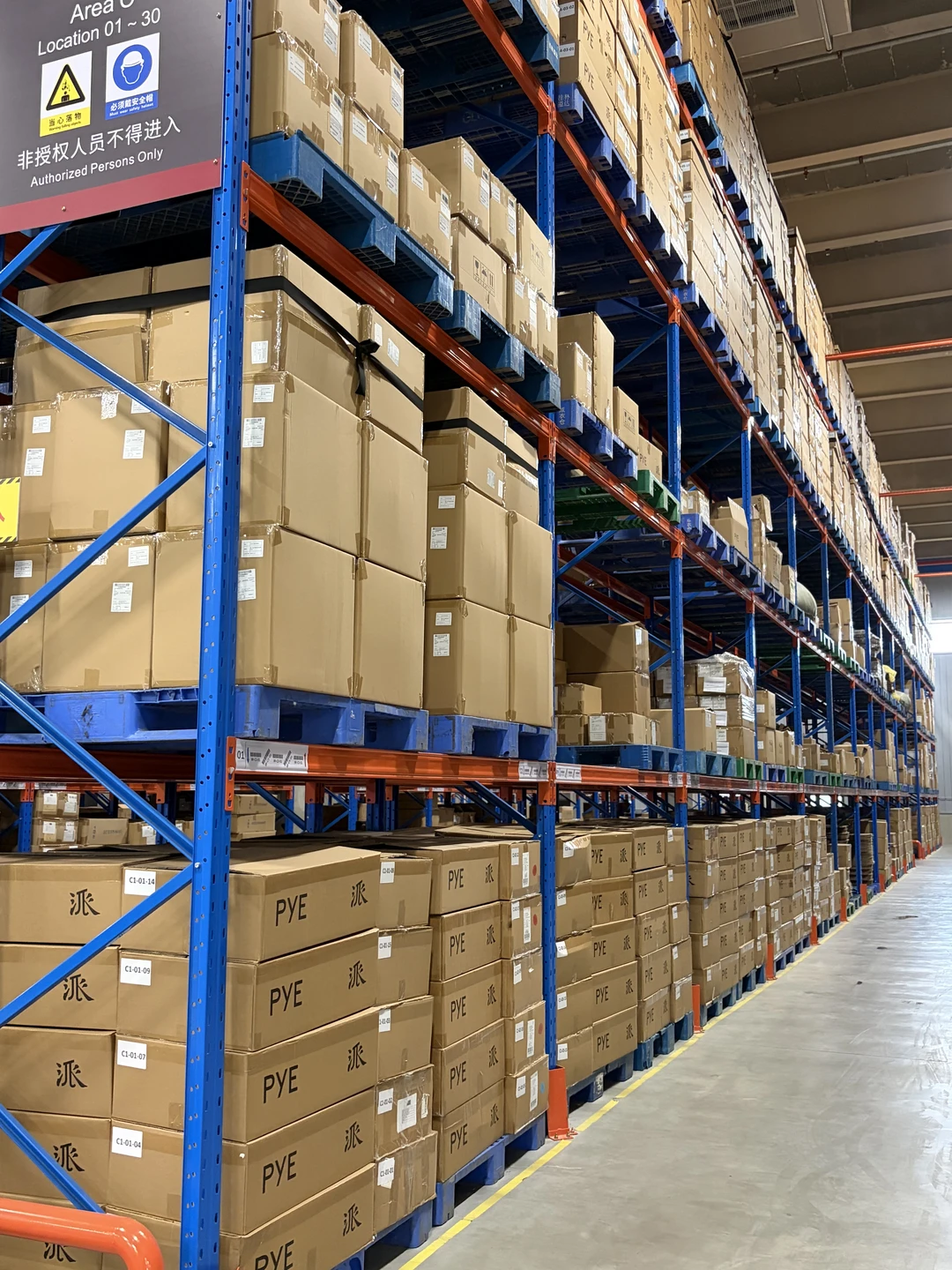
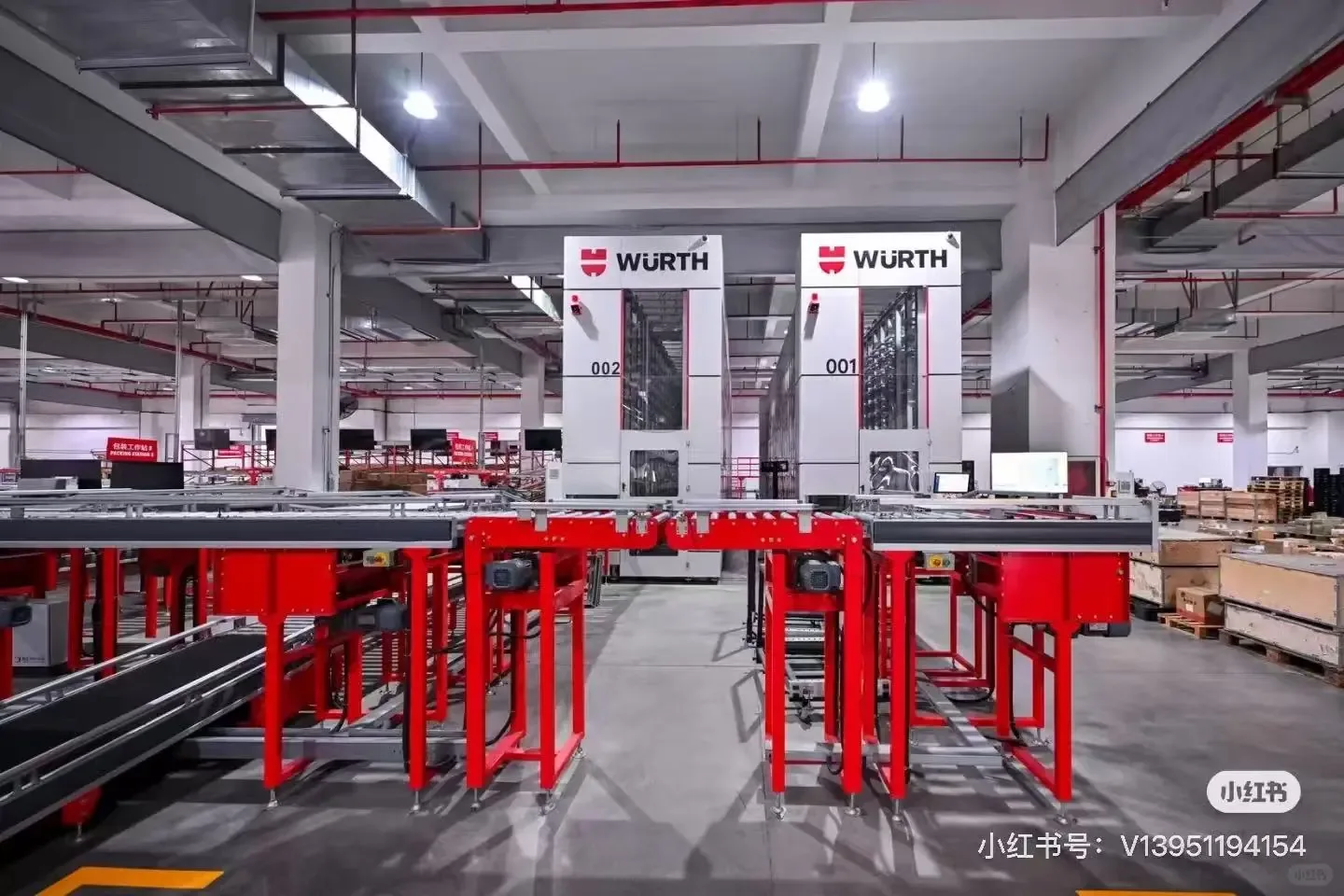
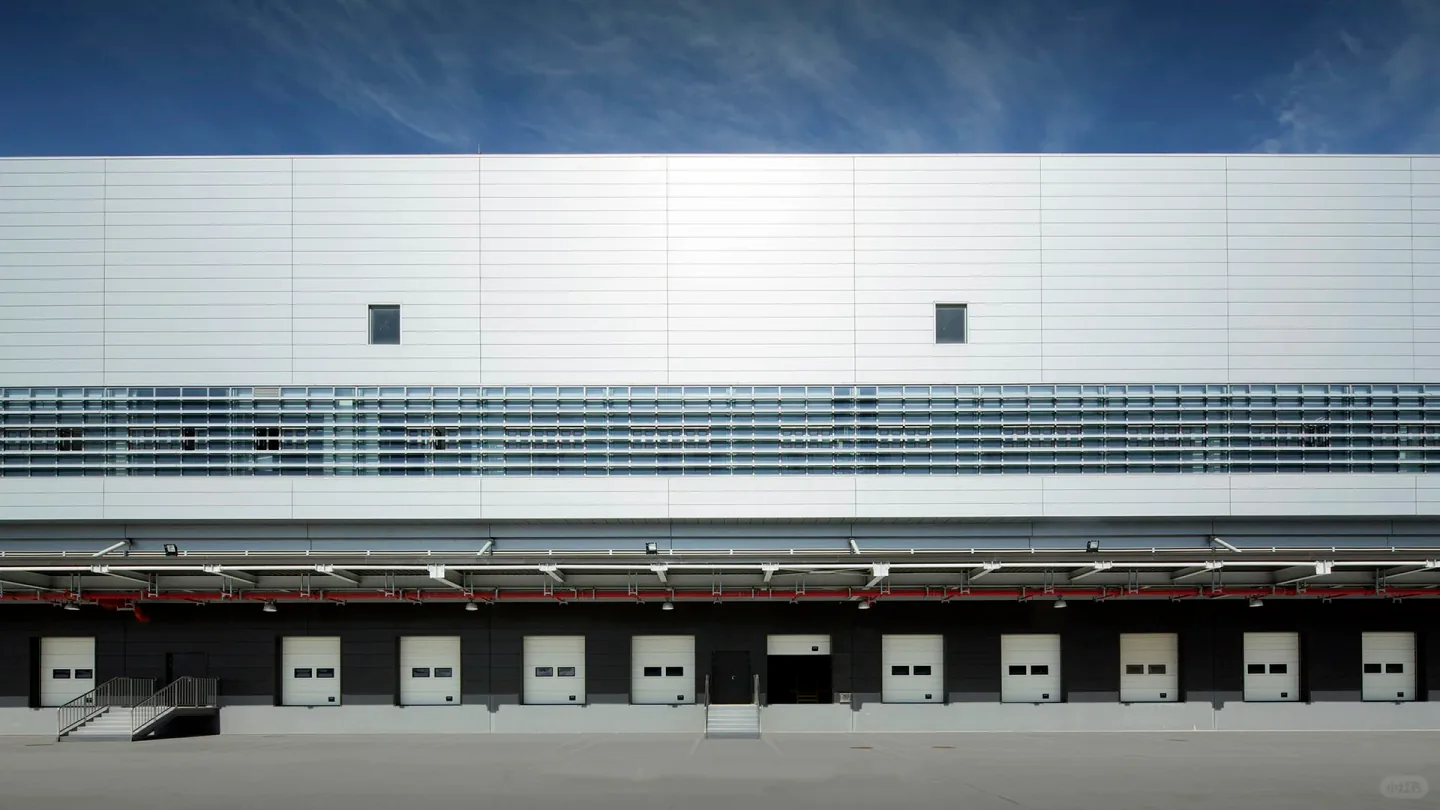
Look more closely at the storage, handling and transport settings that inform an order plan. Each photograph links to its original source.
Sources & further guidance
- DHL Express UK: Size, weight and packaging FAQ (measurement units, equipment and reweighing)
- DHL India: How to measure box size (closed, fully packed external measurements)
- WorldFirst Australia: Shipping from 1688 (weight basis and wider quote scope)
The UK and India DHL pages support the stated measurement practices; the WorldFirst Australia article supports checking the weight basis and full quote scope. The carton record and numerical example are our original guidance. Regional service formulas, limits, rates and delivery estimates are not applied here. Confirm the method and terms with the provider of the actual route and service; these references do not establish a DHL service arrangement.
Product acceptance, inspection scope, charges and delivery arrangements need to be agreed for your order.