
In this guide
Should I choose a factory or trading company on 1688?
Choose using the requirements of your order and the supplier’s answers. Ask who makes each SKU, confirms availability and handles changes or faults. For custom work, find out who can approve production or packing changes at the supplier, while keeping your own buying approval separate. Compare those responsibilities alongside the quotation.
Start with the relationship your order needs
WorldFirst’s Singapore supplier guide distinguishes manufacturers, trading companies and hybrids, connecting those roles with production control, communication and product coverage. It also notes that trading companies can source across factories. Ask how a supplier would fulfil your particular order. Define the decisions you need the seller to manage, then compare its answers against that work.
Map each SKU to its proposed producer
Ask which items the seller manufactures, obtains from another producer or supplies from existing stock. A hybrid may use different arrangements for different products. Record the answer by SKU and ask which production stages happen at the stated site. Identify the company selling to you separately from the producer it names. Keep identity and payee checks in your supplier review; this relationship map supplies additional questions about who will do the work.
Map responsibility for each SKU
Ask who makes or sources the item and who can confirm specification, packing and lead time. Keep these answers beside the exact product you are considering.
Compare responsibility with an original worksheet
Use this original comparison worksheet with each candidate. Confirm each capability with that supplier. Add the named contact, their answer and any evidence still required. For a hybrid, complete entries separately for in-house and externally supplied products. Leave unanswered responsibilities open.
Scroll sideways if needed. Keyboard: focus the table area and use the left and right arrow keys.
| Order question | Manufacturer seller | Trading or hybrid seller |
|---|---|---|
| Who makes this SKU? | Which stages are in-house, and which are outsourced? | Which producer supplies this SKU, and what does the seller coordinate? |
| Who confirms availability? | Who checks finished stock or production availability? | Who obtains current confirmation from the producer or stockholder? |
| Who confirms customisation? | Who reviews feasibility with production? | Who obtains the producer’s agreement and returns its answer? |
| Who confirms a change is feasible? | Who checks the effect on production for the affected batch? | Who obtains the producer’s answer and confirms the implementation plan? |
| Who handles the product range? | Which requested SKUs can this arrangement supply again? | Who coordinates mixed SKUs and confirms their next supply? |
Example: one SKU with custom packaging
For one product with a printed retail pack, ask who reviews the artwork and confirms that the pack fits. A manufacturer may use an external printer. A trading company may coordinate the producer and printer. Ask each candidate to describe that arrangement, identify the approval contact and confirm separate minimum quantities or charges. Compare the replies using the same brief to assess how each relationship would handle your packaging work.
Example: a range supplied by several producers
For a mixed product range, ask which SKUs the candidate can supply and which require another source. Identify who will collect the separate availability answers and keep variant information consistent. If one seller offers to coordinate the range, confirm what that includes and how missing or changed items will be raised. If you buy from several sellers, identify your own coordination work. Compare the confirmed scope and quotation; a broad catalogue alone leaves those responsibilities unanswered.

Check how a mixed range will be handed over
For goods from several producers, confirm who combines the order, checks receipt and resolves discrepancies. Compare the proposed scope with the work your own team will still need to do.
Find the contact who can confirm a decision
A chat contact may need production input to answer a material, quantity or packing question. Ask who can confirm feasibility and how that answer reaches your order record. Record your buyer approval separately before issuing a changed instruction. If the seller cannot answer immediately, record what is pending and decide whether to wait for confirmation. This applies to every supplier role. Use short, separate questions so an acknowledgement cannot be mistaken for confirmation of several changes.
Choose using confirmed scope and remaining work
Compare each supplier’s answers with your product brief and quotation. Identify the responsibilities it accepts and the work you would still need to arrange. Resolve essential gaps before choosing. Keep the selected producer and responsibilities with the order, and review them if the range or supply arrangement changes. Define any sourcing agent’s work separately.
Define who handles each supplier question
Send the SKU list and supplier offers, including any custom product or packing requirements. Flag questions about production, changes or issue handling so we can discuss the supplier enquiries you need.
Questions before you order
Is a 1688 factory always cheaper than a trading company?
Compare quotations for the same product, quantity, packing and purchasing scope. A supplier’s stated role does not establish the cost of your order or the work you would still need to arrange.
What does a hybrid supplier mean for my 1688 order?
A seller may manufacture some products and obtain others from external producers. Ask which arrangement applies to each SKU and who will confirm availability, changes and future supply.
Can a trading company handle customisation for my product?
Ask it to obtain confirmation for the exact change from the relevant producer. Record feasibility, approval responsibility and the quoted terms before deciding; the trading-company label alone does not establish that capability.
Related visual references
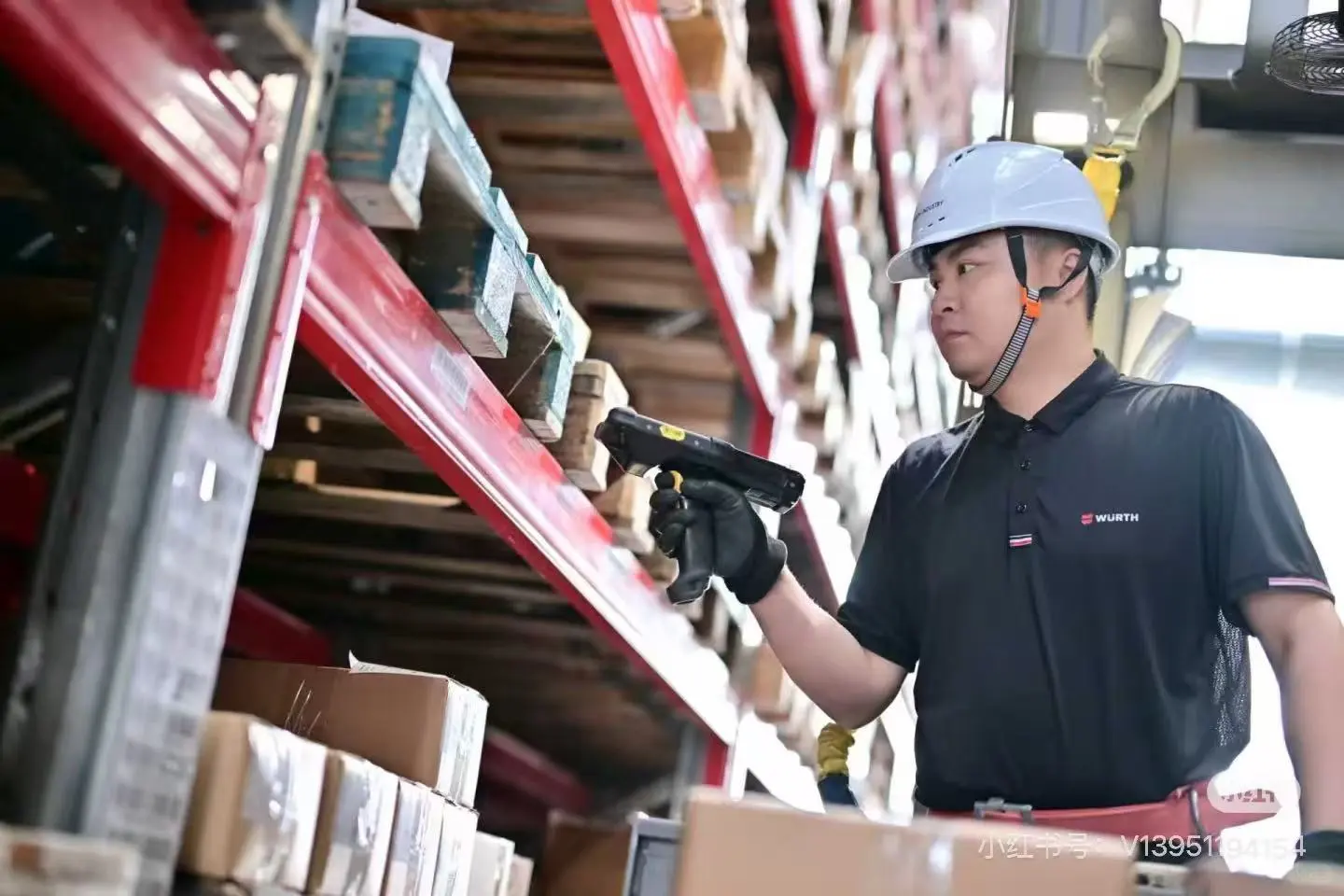
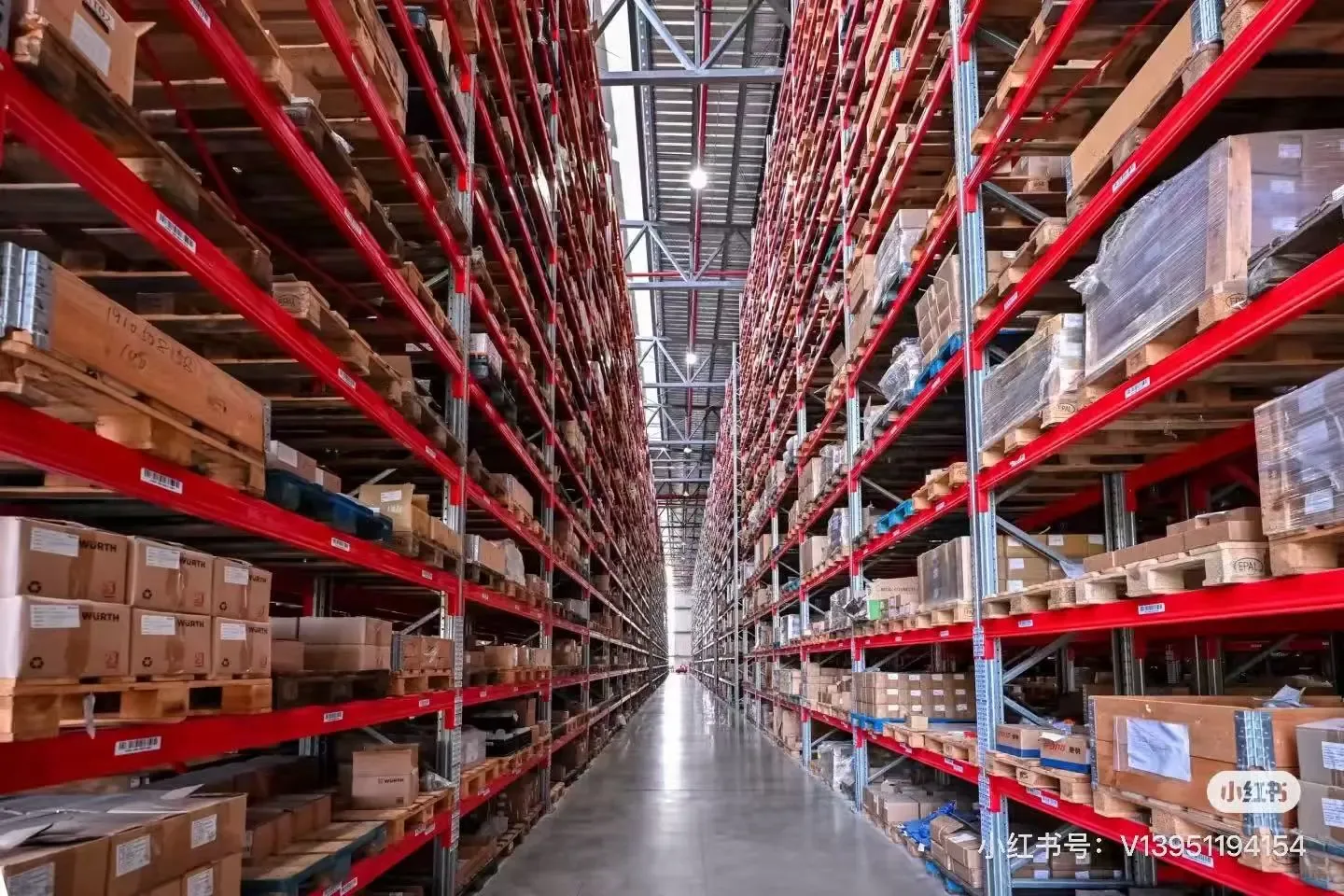
Look more closely at the storage, handling and transport settings that inform an order plan. Each photograph links to its original source.



Sources & further guidance
These references provide platform, payment or import background. The purchasing checklists are our practical guidance. Check the current terms and official requirements for your product and destination.
Product acceptance, inspection scope, charges and delivery arrangements need to be agreed for your order.