
In this guide
How should I reconcile 1688 stock after inspection?
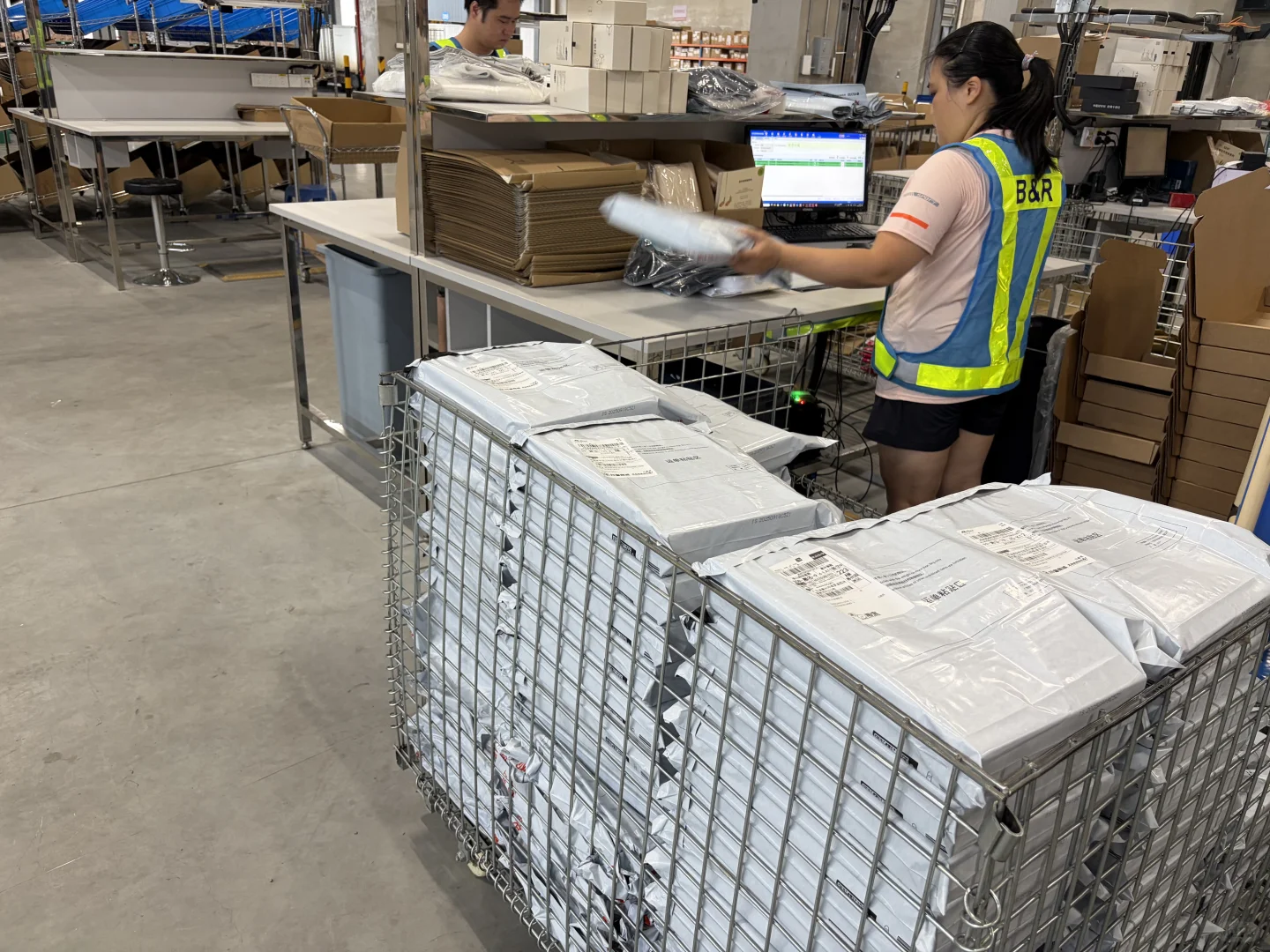
Reconcile the received units into quantities proposed for sale, held for a decision, made non-saleable by testing or awaiting return. Count each unit once. Keep inspected quantity separate as a measure of coverage. Account for opened samples and packing changes, then authorise the exact quantity and cartons that may leave China.
Start the handover with the goods actually received
Record the order, SKU, variant, batch and received quantity before reconciling inspection outcomes. Keep the inspection report beside the receipt record. SGS describes final random inspection as covering matters including quantity, packaging and quality. QIMA describes reporting findings for review before shipment. The stock worksheet below is our original planning suggestion; agree the handling work with your checking team.
Identify what happened to each opened sample
Link sample identifiers to the batch, original carton and photo references. Record whether each sample was opened, used, damaged or consumed during an authorised check. Opening permission and permission to return an item to saleable stock are separate decisions. Ask where each sample is now and whether its retail packaging remains suitable for the intended sale. Keep uncertain samples labelled and separated while their disposition is decided.
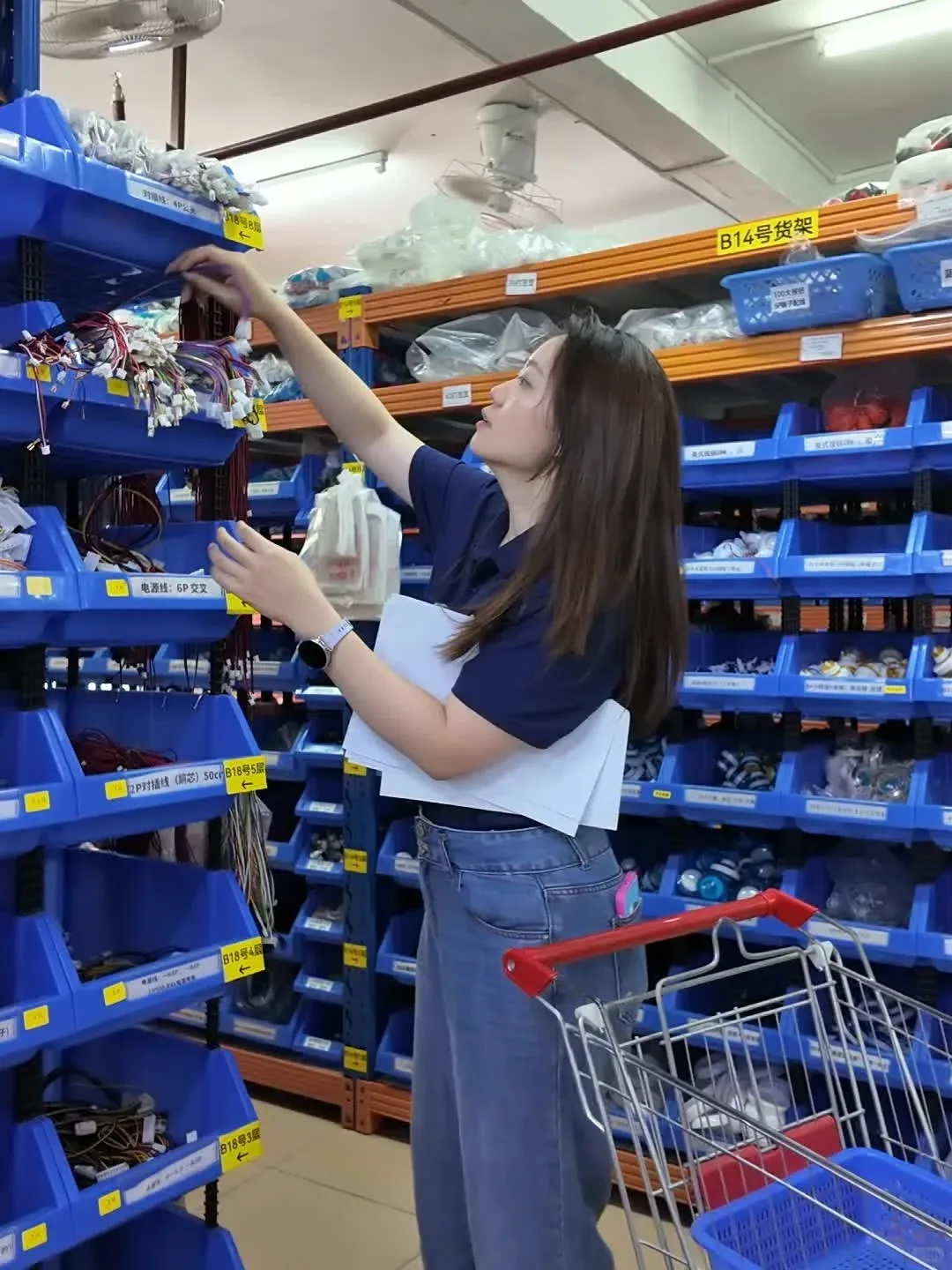
Record what happened to opened samples
Separate saleable checked units from consumed, damaged or unsaleable samples. Give each unit or quantity one current stock state so the totals can be reconciled.
Give each unit one current stock state
Use mutually exclusive states at a dated reconciliation point. A unit awaiting a return decision belongs in the held quantity until that decision changes its state. An opened unit can move to proposed saleable stock only after the necessary review and packing work. Record the movement and approver so the same item cannot remain in both totals. The proposed saleable label records a handling decision; product compliance needs its own assessment.
Work through a hypothetical quantity reconciliation
Assume 1,000 units of one SKU were received, all goods are accounted for, and no units have left through returns or disposal. The invented quantities below illustrate the arithmetic. Their sum is 1,000. Suppose 80 units were inspected: those units already sit within the four states. Keep 80 as a separate coverage figure and do not subtract it again. If goods have already left, add dated movement records to reconcile the receipt with the remaining balance.
Scroll sideways if needed. Keyboard: focus the table area and use the left and right arrow keys.
| Current state | Units | Action to record |
|---|---|---|
| Proposed saleable | 940 | Identify goods available for buyer release review |
| Held for decision | 30 | Label the hold location and unresolved issue |
| Consumed or unusable samples | 10 | Record sample IDs and authorised disposition |
| Approved for supplier return | 20 | Keep separate pending the agreed return movement |
Check the packing after sampling
Ask which cartons and retail packs were opened and what was changed during repacking. Confirm the authorised packing method, replacement packaging and labels. Record the final units per carton, carton identifiers and any revised measurements needed for freight. Preserve the link between the old carton and its replacement. If packs cannot be restored to the agreed condition, keep the affected goods held until you approve another disposition. Recheck the affected work where needed before sealing.
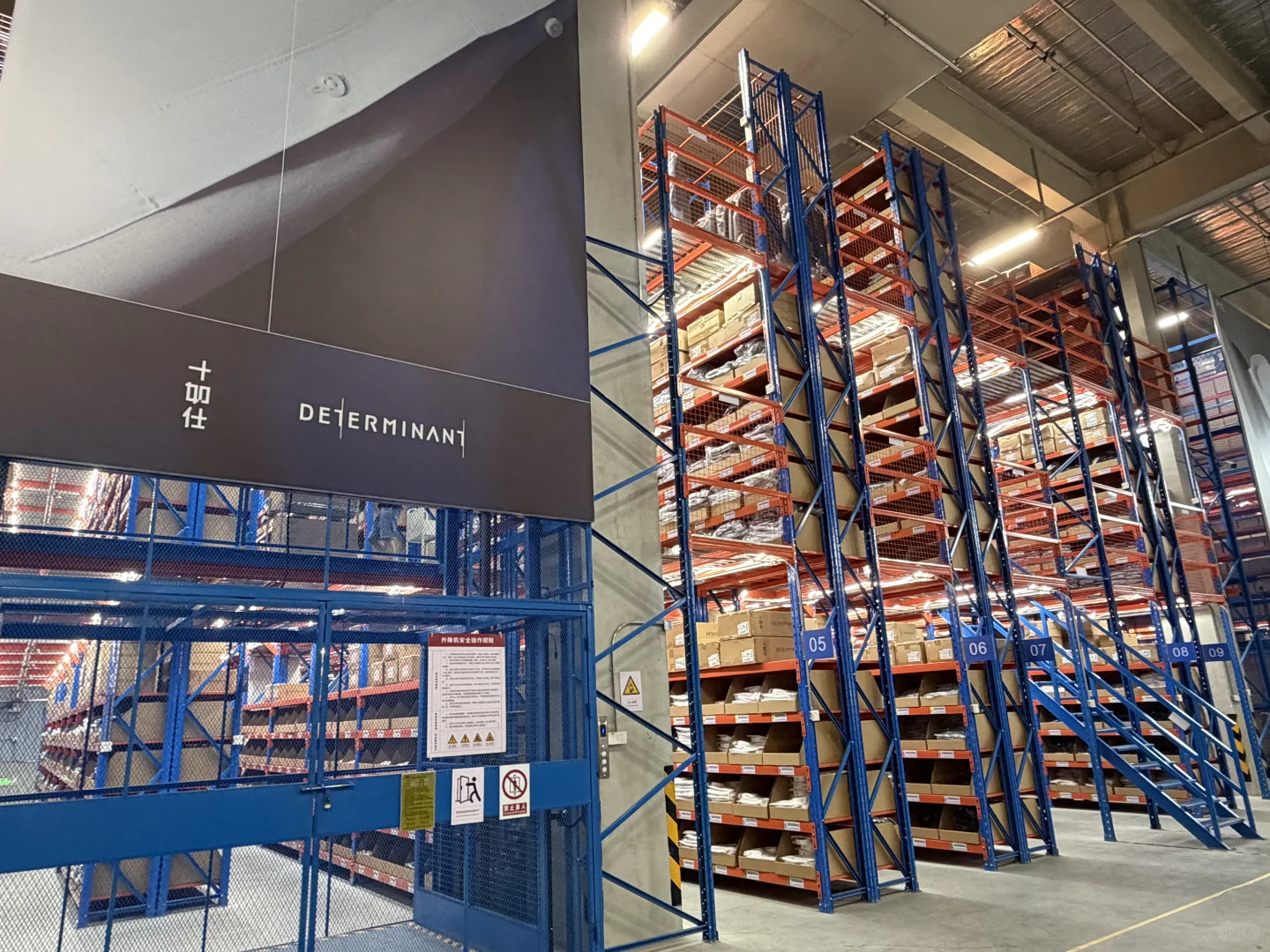
Update packing after the checks
If sampling changes carton contents, revise the packing record before dispatch. Your release should identify the exact stock, remaining exceptions and final shipment quantity.
Keep unresolved items visible through rework
For each held line, name the issue, quantity, location and person responsible for the next action. Keep the supplier's proposed remedy separate from your approval. Record any sorting, replacement or repacking agreed, along with the evidence needed to close the issue. After rechecking, update the stock state with a dated movement. Preserve the earlier finding and its photos so a corrected total still has an explanation.
Approve the exact goods for dispatch
Review the latest reconciliation and packing record together. Give written buyer authorisation naming the order, record version, released quantity and carton identifiers. Identify excluded quantities and their handling instructions. Ask the freight coordinator to acknowledge the same release record. If goods or packing change afterwards, check whether the approval still covers them and issue an updated instruction where necessary.
Read stock counts alongside inspection limits
A balanced stock record establishes where quantities have been accounted for. Inspection coverage describes the work performed on selected units. It cannot guarantee that the whole batch is defect-free or establish every product compliance requirement. QIMA distinguishes pre-shipment inspection from laboratory testing. Agree product-specific checks separately. Any sampling standard, edition and plan must be agreed for the work; this worksheet prescribes no universal sample size or acceptance limit.
Agree the stock handover alongside the inspection scope
Share the receipt quantities, inspection report and latest packing record. Identify any opened samples, held goods or missing quantities so we can discuss the checking and supplier coordination still needed before dispatch.
Questions before you order
Should inspected units be deducted from saleable 1688 stock?
Only deduct units that move to a non-saleable state under the agreed decision. Inspected quantity measures coverage and may include units returned to saleable stock. Counting it as another stock category would deduct some units twice.
Can an opened inspection sample go back into my shipment?
Review its condition, product requirements and packaging with the checking team. Record the decision and any approved repacking. Keep it held if suitability remains unresolved; an inspection result alone does not authorise its return to saleable stock.
What should I do if post-inspection quantities do not add up?
Reconcile by SKU and batch against receipts, sample identifiers and dated movements. Check for duplicated states, returns or consumed samples. Resolve the difference and update the record before authorising the affected goods for dispatch.
Related visual references
Look more closely at the storage, handling and transport settings that inform an order plan. Each photograph links to its original source.



Sources & further guidance
- SGS: Final random inspection (quantity, packaging and quality scope)
- QIMA: Pre-shipment inspection (reporting, sampling and laboratory-testing distinction)
These references provide platform, payment or import background. The purchasing checklists are our practical guidance. Check the current terms and official requirements for your product and destination.
Product acceptance, inspection scope, charges and delivery arrangements need to be agreed for your order.