
In this guide
How should you track production progress on a 1688 order?
Agree checkpoints for each SKU and define what must be complete at each stage. Record the planned date, latest supplier-confirmed date, evidence and next action. Keep supplier statements and independently completed checks separately identified. Resolve blockers and obtain any required buyer decisions before arranging China dispatch.
Define what the supplier means by ready
Ask whether the date means assembly complete, available for agreed checks, packed or available for China-side collection. Identify the SKU and quantity covered. WorldFirst’s New Zealand sourcing article recommends agreed production checkpoints and checks before shipment. Agree named stages for your order before using a completion date in the collection plan.
Make the stock identifiable
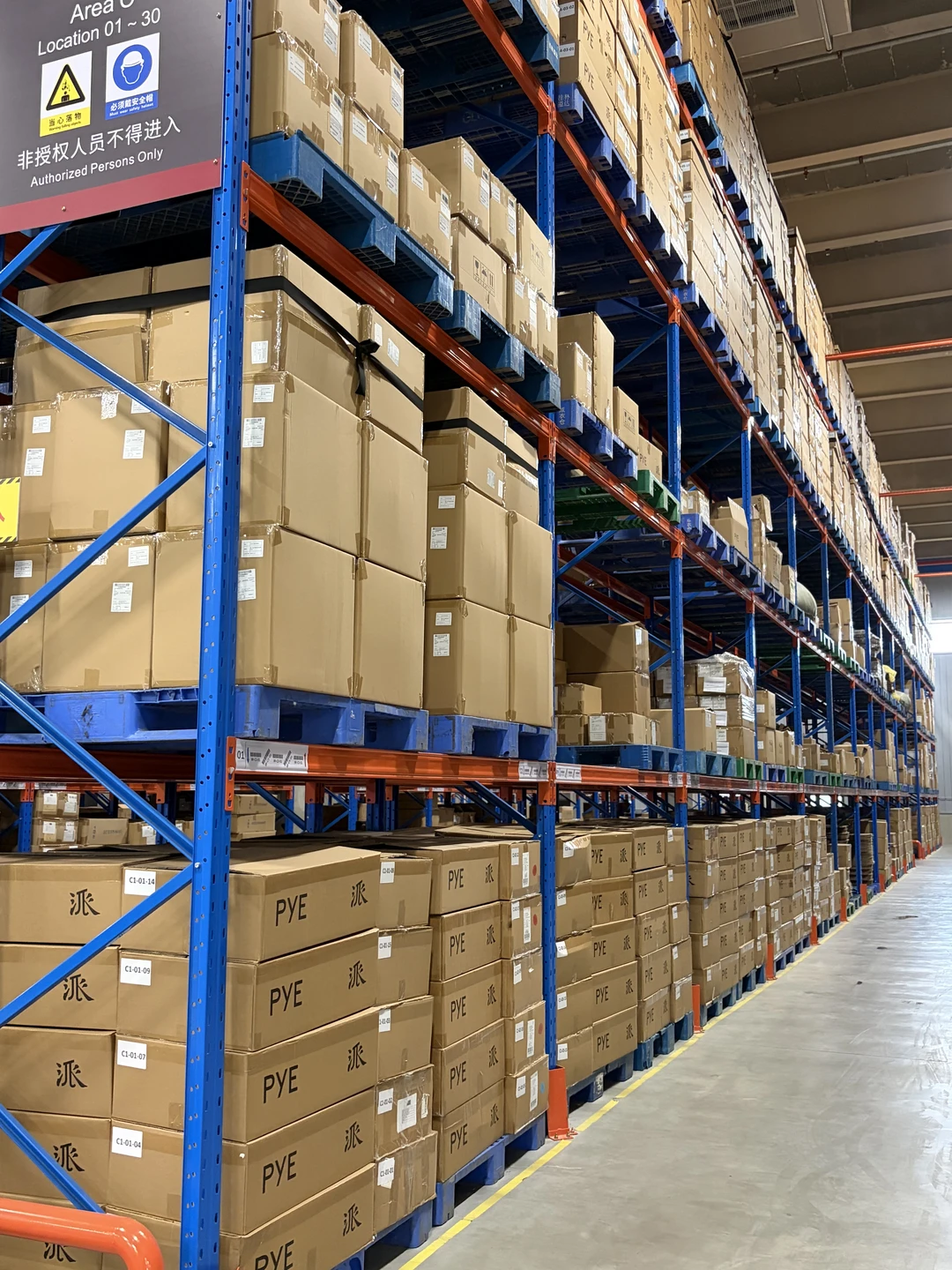
Keep supplier order references, SKUs and expected carton counts together. The receiving team needs a record it can compare with the goods when they arrive.
Confirm the conditions for work to start
List the inputs the supplier needs: current specification, sample approval where agreed, components, artwork, packaging or a payment milestone. Give each input a reference and status. Ask when those conditions are satisfied and which production stage has begun. A payment receipt records payment; the production start still needs confirmation. Carry unresolved inputs into the log.
Give each SKU its own checkpoint record
WorldFirst discusses production lead times, QC responsibility, payment milestones and shipping arrangements together. Keep their dependencies visible. The blank log below is our original worksheet. Complete one set per SKU and quantity. Retain the planned date beside the current confirmed date; add a dated entry when the supplier changes its answer.
Scroll sideways if needed. Keyboard: focus the table area and use the left and right arrow keys.
| Checkpoint | SKU and units covered | Planned / current confirmed date | Latest confirmation and evidence | Owner, blocker and next check |
|---|---|---|---|---|
| Start conditions satisfied | [Complete] | [Complete both] | [Date, person, reference] | [Complete] |
| Agreed production checkpoint | [Complete] | [Complete both] | [Date, person, reference] | [Complete] |
| Available for specified checks | [Complete] | [Complete both] | [Date, person, reference] | [Complete] |
| Packed and available for collection | [Complete] | [Complete both] | [Date, person, reference] | [Complete] |
Record what the latest evidence actually shows
Ask for dated updates linked to your order, SKU and batch. Record who supplied the update and which units it covers. Keep a supplier statement separate from findings by an agreed checker. A generic workshop photo or a close-up of one item cannot establish the whole batch’s progress. The invented example below leaves that uncertainty visible instead of giving the order one completion percentage.
Scroll sideways if needed. Keyboard: focus the table area and use the left and right arrow keys.
| SKU and ordered units | Supplier update on 20 October | Evidence recorded | Next action |
|---|---|---|---|
| TR01: 120 black trays | Assembly complete; packing status unanswered | Photo of three trays; batch reference missing | Supplier to identify batch and confirm packing on 22 October |
| TR02: 80 grey trays | Waiting for labels; collection proposed for 25 October | Written update; label arrival unconfirmed | Supplier to confirm label arrival and review readiness on 22 October |
Turn each blocker into a dated action
For a missing component, unanswered question or missed update, name the person obtaining the next answer and set the next check. Ask how the blocker changes readiness. Save the earlier commitment and the reason for revision. Record proposed substitutions, rework or extra charges as decisions awaiting approval. A progress enquiry does not authorise those changes, further payment or shipment.

Prepare for the final handover
Confirm the delivery address, receiving hours and booking instructions before dispatch. Add any pallet, label or unloading requirements to the same shipment brief.
Keep checking arrangements visible
Confirm who will perform the agreed checks, where access is available and when the goods will be ready for that work. Use a separate brief for features, sampling, evidence and acceptance criteria. A production update cannot stand in for that report. Keep unfinished checks open in the production log and request a fresh readiness confirmation after any agreed corrective work.
Hand confirmed quantities to the China receiving plan
Before arranging collection, confirm the packed quantity available for each SKU and any stock still outstanding. Give the receiving team the order reference and expected cartons. Add domestic tracking when dispatch occurs. If SKUs finish at different times, obtain a decision on waiting or splitting them and confirm the handling implications. Carry the latest confirmed position into the consolidation plan.
Agree the supplier follow-up your order needs
Send the order reference, SKU quantities, agreed milestones and latest supplier updates. We can discuss follow-up and the decisions that need your approval.
Questions before you order
Does a production-ready date tell me when stock will reach the UK?
First confirm which production stage the date describes. China collection, receiving, agreed checks and onward transport need their own arrangements. Use the confirmed packed quantity and readiness stage when discussing the next handover.
Can one supplier photo confirm the whole order is nearly finished?
Record the units and batch the photo can be linked to. Ask for the remaining quantities and work still open for each SKU. Keep any wider supplier statement separately identified until the agreed evidence or checks support it.
What should I do if the supplier misses an agreed progress update?
Keep the checkpoint open. Ask the named contact for the current stage, blocker and revised readiness date. Set the next check and record the response. Any proposed cost, product change or dispatch decision needs separate approval.
Related visual references
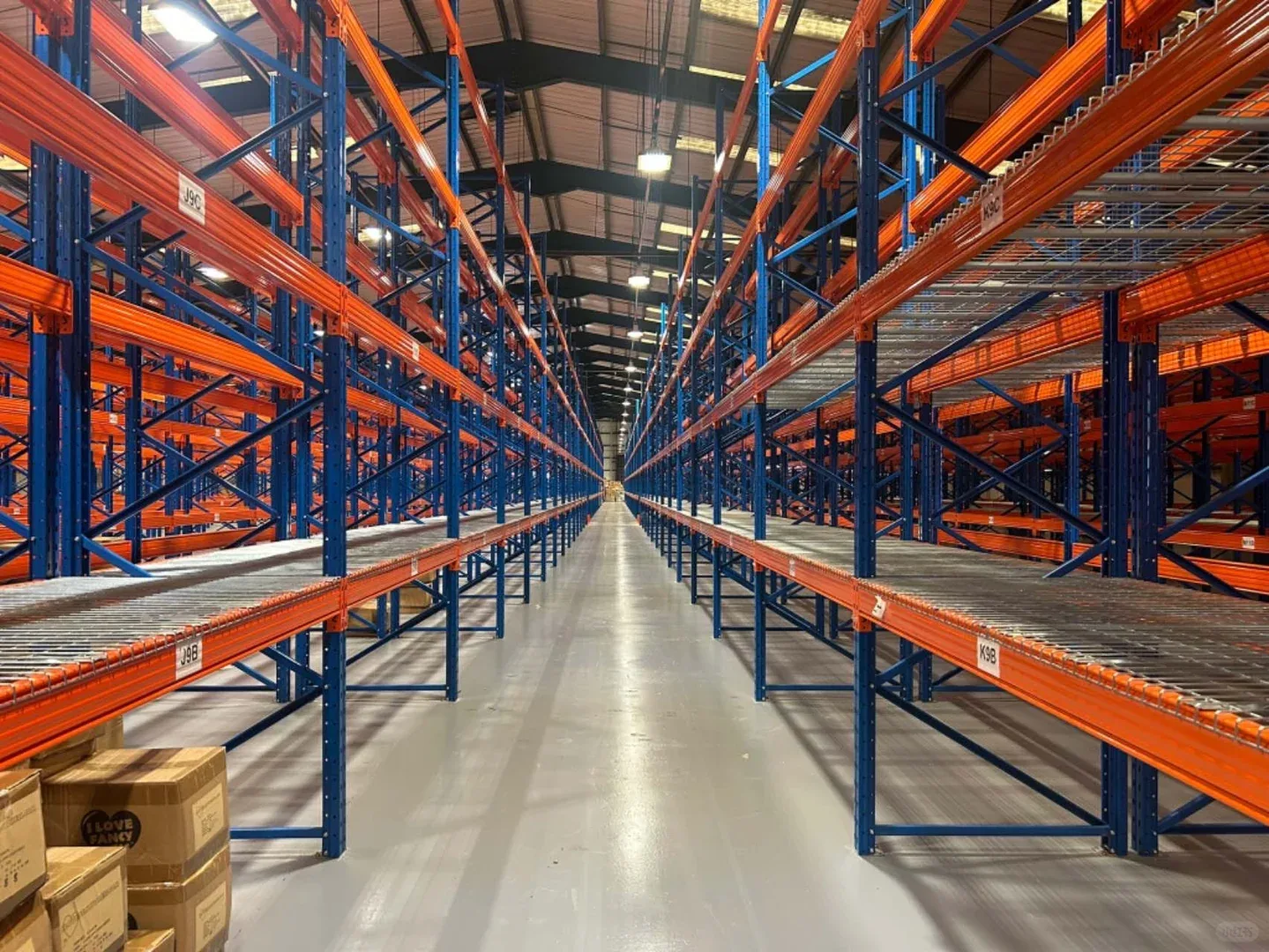
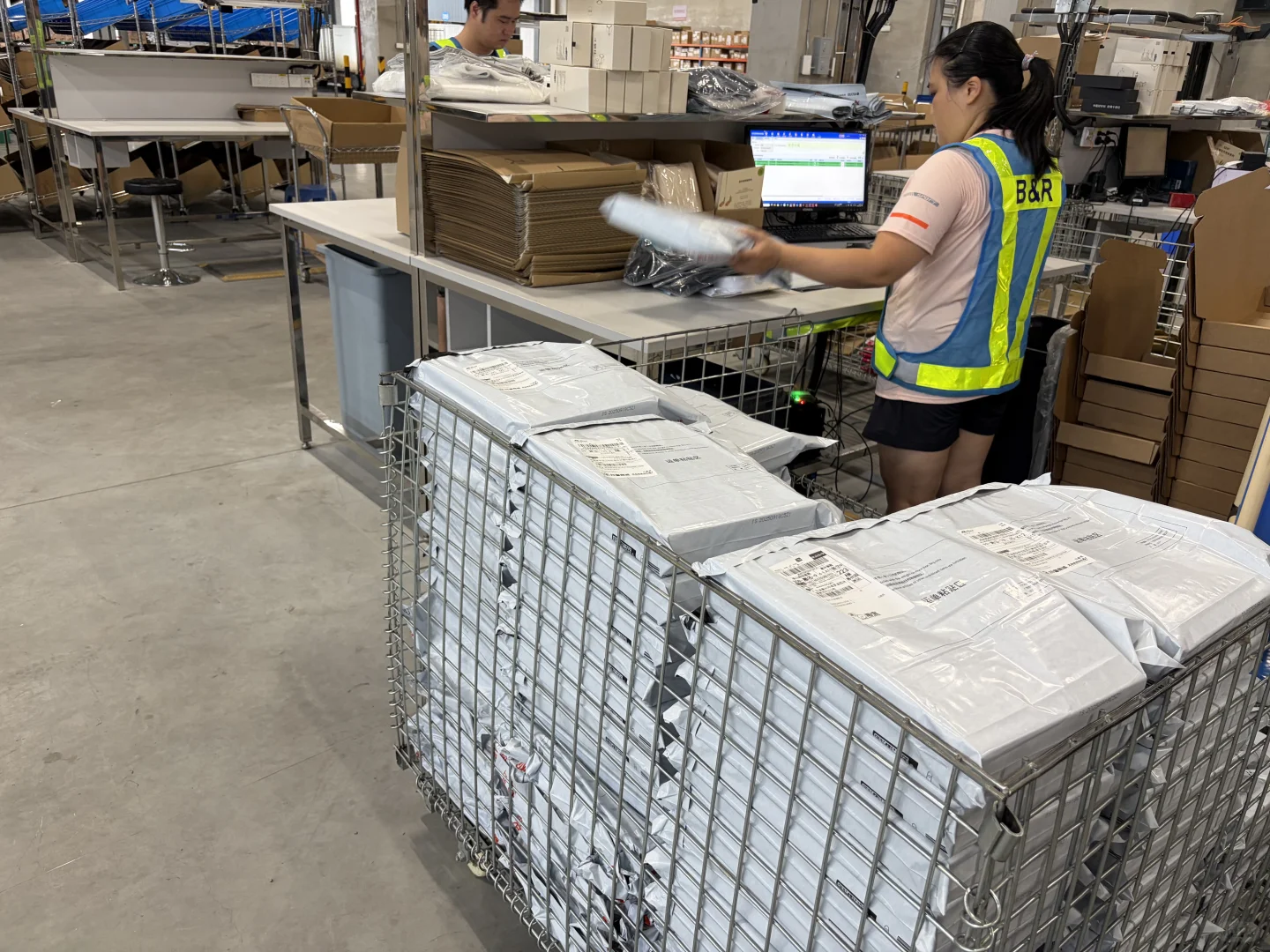
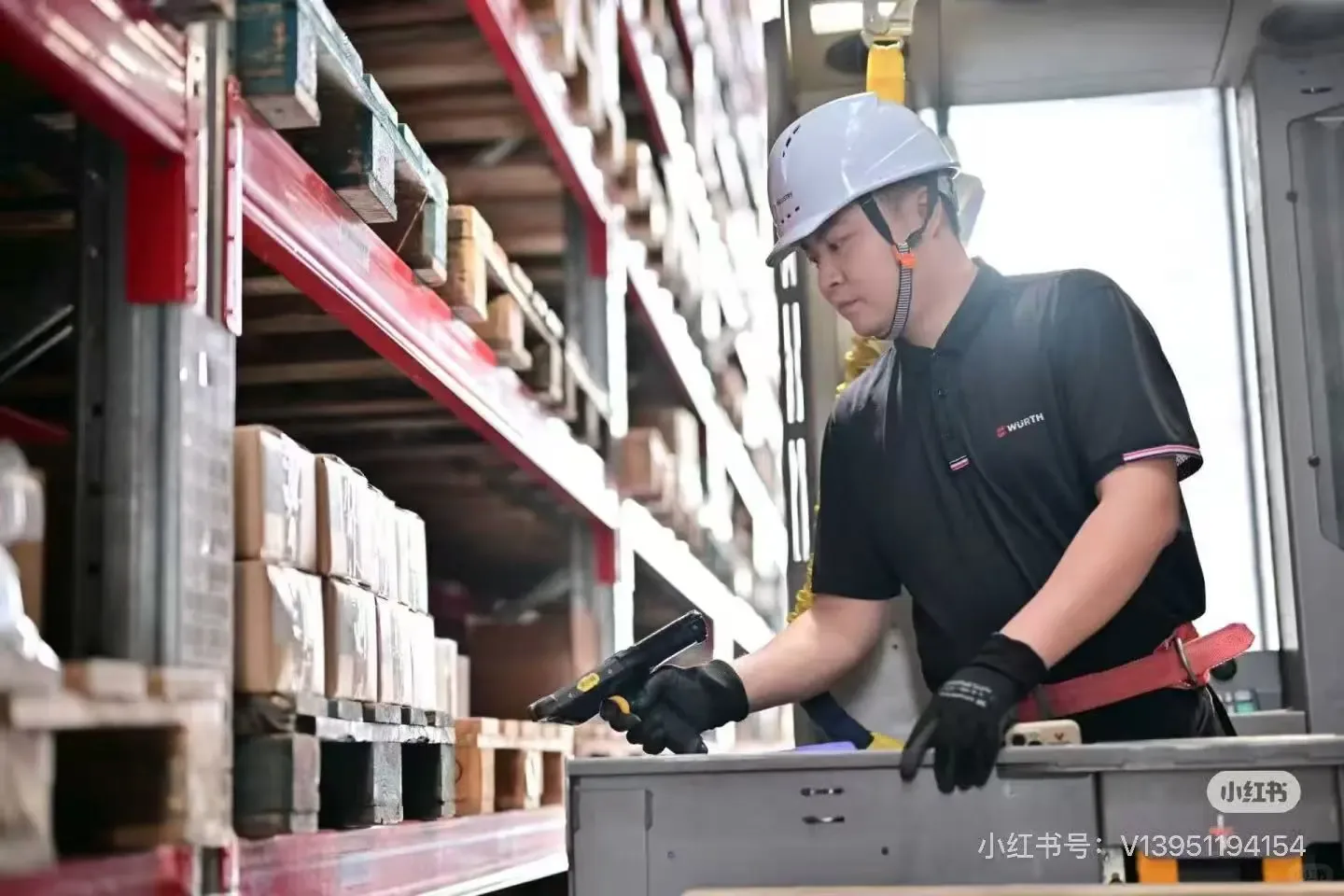
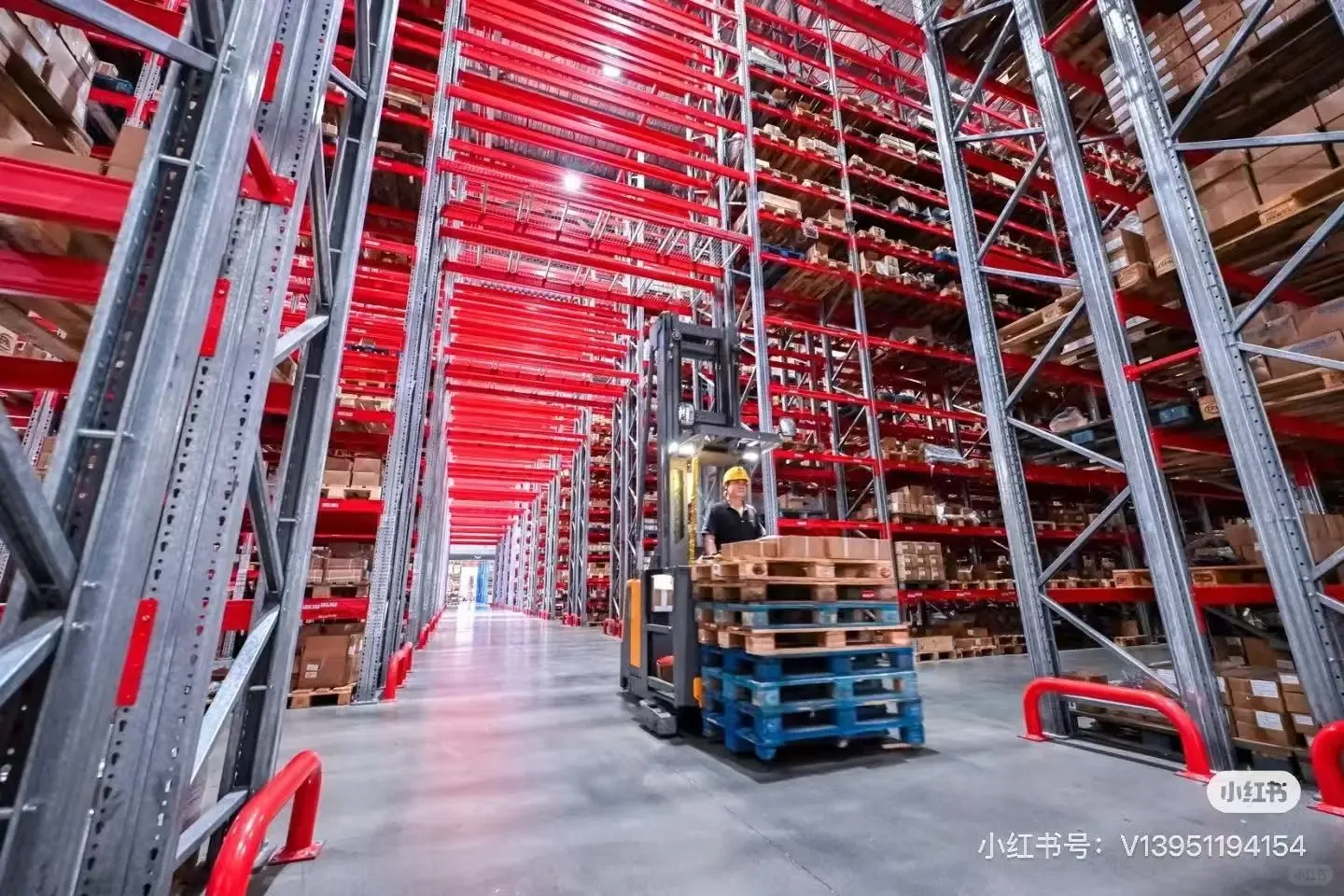
Look more closely at the storage, handling and transport settings that inform an order plan. Each photograph links to its original source.


Sources & further guidance
WorldFirst’s article addresses Amazon sellers in New Zealand. We use its general principles of agreed checkpoints and connected responsibilities. Our log and example are original. Set stages and evidence requirements for the actual order; the article’s suggested percentages and commercial examples are not rules for your purchase.
Product acceptance, inspection scope, charges and delivery arrangements need to be agreed for your order.