
In this guide
How should you prepare a backup 1688 supplier?
Define the SKU and quantity you may need, then assess each candidate against the current specification. Ask about the producer and any critical external inputs. Keep unknown dependencies visible. Record the evidence held, outstanding work and dated availability before approving a replacement order. Finding another listing leaves these purchasing decisions open.
Define the supply gap for a specific SKU
Identify the SKU, current specification revision, required quantity and date the goods would need to be available in the UK. Describe the potential gap, such as an unavailable colour or an uncertain production date. Decide which features must stay fixed. Give the proposed alternative its own reference. A candidate covering one variant may leave the rest of your range unanswered. WorldFirst's UK sourcing article discusses maintaining an existing source while developing alternatives. Assess the unfinished work before treating a candidate as available to replace it.
Make the stock identifiable
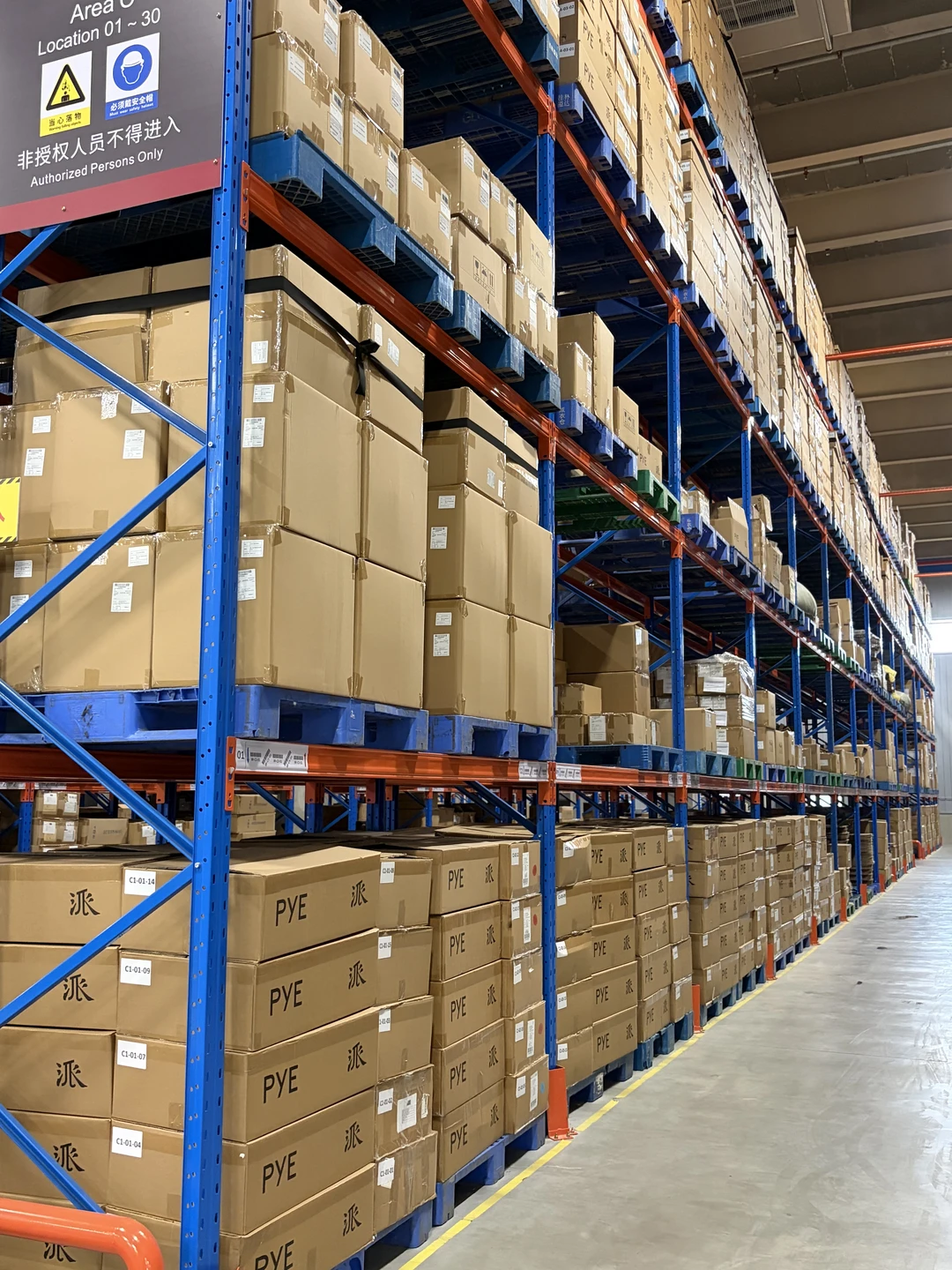
Keep supplier order references, SKUs and expected carton counts together. The receiving team needs a record it can compare with the goods when they arrive.
Ask where the proposed supply depends on another party
WorldFirst recommends mapping supply dependencies; the DBT framework also places visibility alongside identifying alternatives. Ask each candidate who would make or supply the named SKU and which critical inputs come from elsewhere. Include packaging when it could prevent completion. Record the supplier's dated answers and mark unestablished relationships as unknown. Our worksheet supplies enquiry fields. Hypothetical example: two shops use different producers but the same printer for a required pack. If that printer is the cause of the assumed delay, moving to the second shop would leave this gap unresolved.
Scroll sideways if needed. Keyboard: focus the table area and use the left and right arrow keys.
| Part of the proposed order | Information to request | Record when unanswered |
|---|---|---|
| Named SKU | Proposed producer or stockholder; stages completed elsewhere | Producer or production arrangement unknown |
| Critical component | Who provides it and who confirms its availability | Input source or availability unknown |
| Printed packaging | Who prints and supplies the agreed pack | Printer or pack readiness unknown |
| Possible shared dependency | Whether candidates rely on the same named party | Relationship not established |
Keep a candidate record with unfinished work visible
Create an entry for every candidate and proposed SKU. Record the evidence held, questions still open and person obtaining the next answer. Use status wording that describes your evidence. Keep each approval with its scope and conditions. The invented entries below illustrate a working record. They are our suggested statuses, with no certification meaning. A named buyer's acceptance of a defined proposal leaves payment and dispatch instructions to be agreed separately. Record what still needs completing before you can place an order.
Scroll sideways if needed. Keyboard: focus the table area and use the left and right arrow keys.
| Candidate | Evidence held | Work still open | Dated availability | Buyer decision |
|---|---|---|---|---|
| A: listing identified | Product image and shop link | Specification reply, identity checks and sample plan | No supplier confirmation | Enquiry only |
| B: review in progress | Specification reply; sample reference | Sample assessment and current offer | Supplier's statement dated 22 October; quantity pending | Further evidence required |
| C: defined offer reviewed | Named specification, review findings and dated quotation | Reconfirm before ordering; resolve any approval conditions | Quantity and readiness recorded in the offer | Named buyer's decision kept with its scope |
Assess the evidence that is specific to this candidate
Give the candidate the current specification and ask it to identify differences in its proposal. Decide which features require fresh sample evidence or other assessment. Identify its sample separately from the existing supplier's reference. Follow the supplier-checking guide for identity questions and arrange the relevant product-document or specialist review for the actual goods. A visually similar item needs its own assessment. Link the remaining tasks from the backup log, including any packaging approval, so the relevant people can complete the work.
Get a dated offer for the quantity you could buy
Request a current offer for the intended mix, stating stock or production, quantity and the event starting the readiness estimate. Record remaining sample work, review and production steps with their dependencies. Ask the relevant parties for dates covering China receipt and handling, freight and UK receipt, including when stock becomes available to sell. Compare that dated plan with your required UK stock date; a factory-ready date leaves later work open. Use actual confirmations without preset durations or double-counting overlapping stages. Keep unresolved dates visible. Recheck price, minimums, packing and availability before approving the order, retaining the supplier's evidence beside its statement.

Prepare for the final handover
Confirm the delivery address, receiving hours and booking instructions before dispatch. Add any pallet, label or unloading requirements to the same shipment brief.
Approve and identify the replacement batch
Before placing an order, save the accepted candidate, specification, quantity and quotation under a new order reference. Record the buyer's approval and any remaining conditions. If both suppliers' goods will be received together, agree how their batches and carton contents will stay identifiable. Send the checking and receiving teams the correct references. Request approval for any later substitution, extra charge or packing change. Track the original order separately, including goods already received, payments, an agreed remedy and any refund still outstanding. Moving the enquiry does not close those actions; obtain their current status from the relevant parties.
Set the next review and retain the outcome
Give each open candidate a next action and review date. Refresh the record when the specification changes, a quotation expires or availability is revised. After an order, add actual receipt and unresolved findings, linked to the batch records. Retain the earlier assessment. A candidate you have not purchased from still has that evidence gap. Use the updated record to decide the next enquiry or whether to stop considering it. Share current approved instructions with people arranging purchases and movement of goods.
Prepare a defined alternative-supplier enquiry
Send the current SKU specification, proposed quantity, UK stock date and candidate links. Identify the evidence already held and the questions you want us to ask before discussing purchasing support.
Questions before you order
Does finding a similar 1688 listing give me a ready backup supplier?
It gives you a candidate to investigate. Confirm its proposed specification, supplier evidence and current offer for the quantity you need. Record the review still outstanding before approving an order.
Do two 1688 shops mean I have two independent sources?
Ask about their proposed producers and critical external inputs. A shared relationship may remain unknown until you obtain evidence. Keep that uncertainty visible instead of treating separate shop names as confirmation of independent supply.
Can I use the previous supplier's sample approval for the replacement?
Keep the earlier sample as a product reference. Assess what the proposed supplier can provide against the current specification, and identify any fresh sample or specialist review needed. Record approval for that supplier's defined offer and batch.
Related visual references
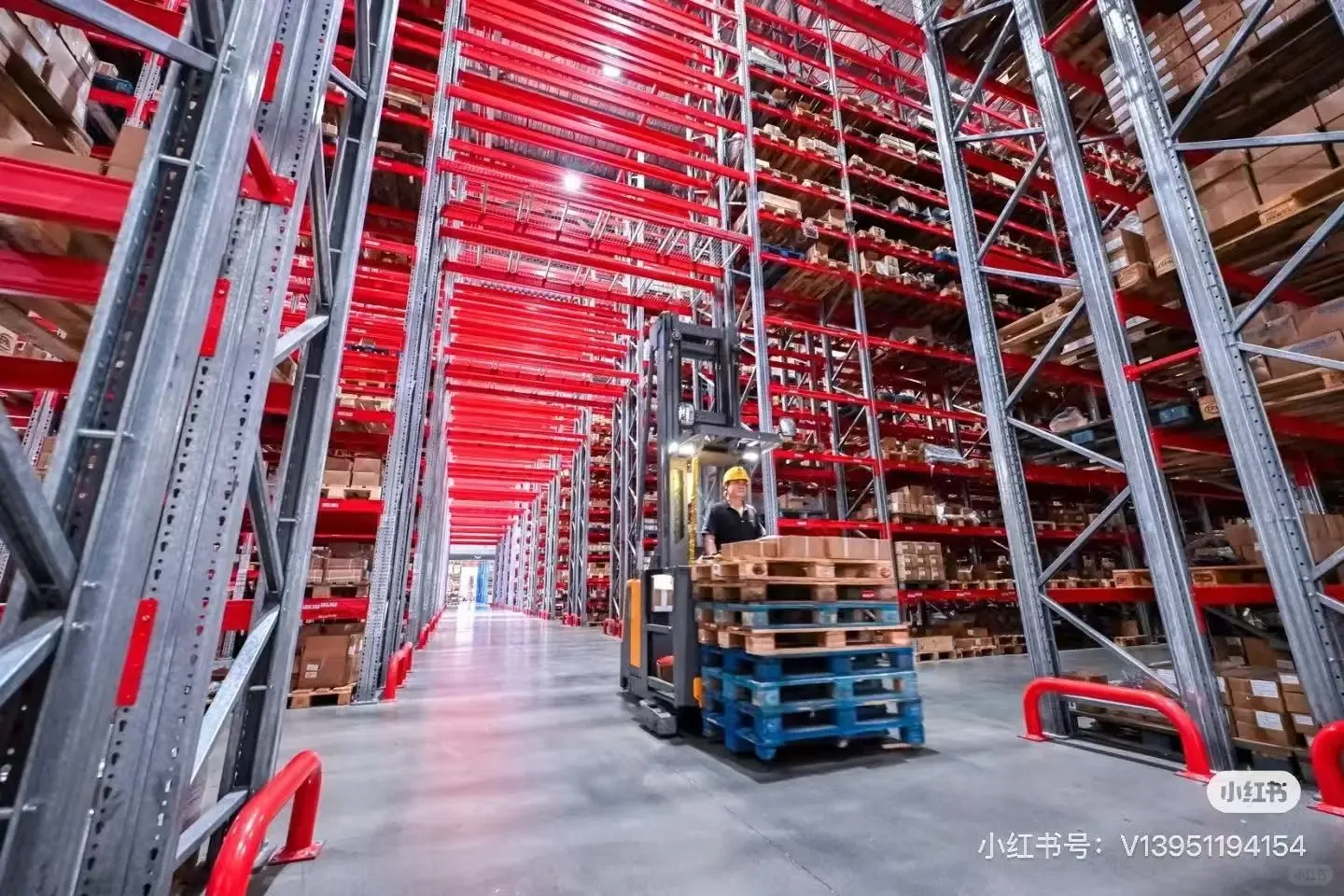
Look more closely at the storage, handling and transport settings that inform an order plan. Each photograph links to its original source.


Sources & further guidance
WorldFirst supports mapping dependencies and developing alternatives; DBT provides business resilience guidance, not a mandatory purchasing standard. The worksheets, status wording and shared-printer example are original planning tools. A status records evidence held for a defined scope and date, without certifying a supplier or guaranteeing supply.
Product acceptance, inspection scope, charges and delivery arrangements need to be agreed for your order.