
How should I check the margin on a 1688 product for UK resale?
Calculate resale contribution from the selling price less the stock cost per saleable unit and the costs of making that sale. Use actual quotations and your selling-channel figures. Then test demand, overheads and the cash needed before receipts arrive. A positive per-sale contribution is one input to the decision; it does not establish net profit.

Use the stock and delivery plan to work out what each sale must cover before choosing a larger purchase.
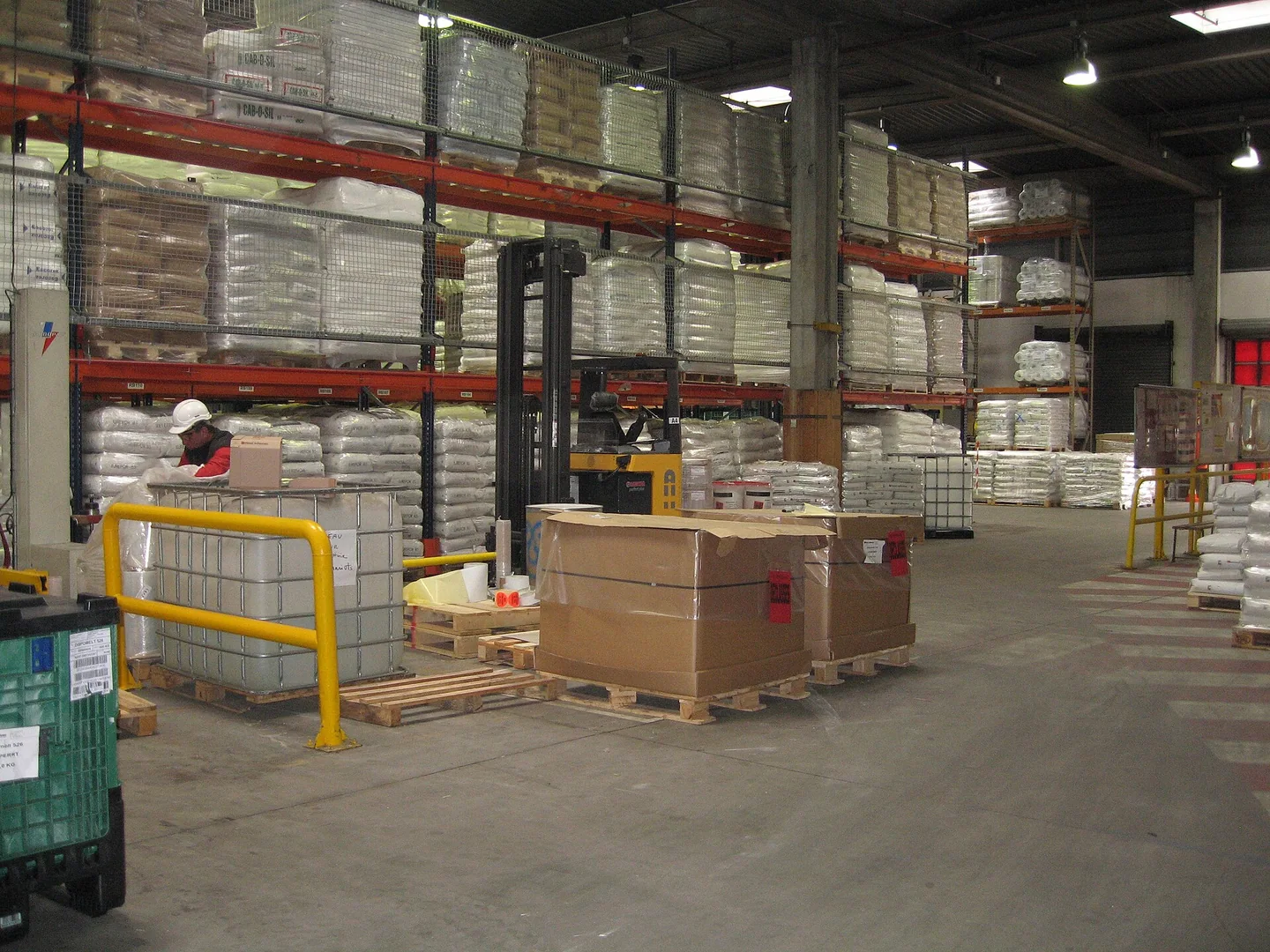
Third-party scene photography accompanies the guidance. It does not document our facilities or an order handled by us.
Explore the visual libraryIn this guide
Decide which question the calculation must answer
Build the calculation for one product, selling channel and period. Work out what remains from a sale after the stock and selling costs, then assess demand and cash separately. Keep the figures tied to your own quotations and channel charges. The worked example below illustrates contribution; it cannot predict how much stock will sell.
- Fishgoo: import profit worksheet (commercial topic reference)
- Fishgoo: sourcing for resellers (commercial topic reference)
Put stock cost on a saleable-unit basis
Our purchasing fee is 9% of the goods purchase amount. Receiving, quality checks, photography, storage and packaging are free. Separate goods, domestic freight, international freight and destination amounts. Use one currency and a consistent tax basis agreed with your accounts adviser. Identify samples and held units before dividing costs, and preserve the quantity record so the allocation can be reconciled.
Back to guide contentsWork through an invented stock-cost example
Assume 200 units cost £600, the 9% purchasing fee is £54, China domestic freight is £30 and the quoted onward transport is £180. The subtotal is £864. If eight units are deliberately retained as samples, 192 remain in the planned saleable quantity: £864 ÷ 192 = £4.50 each. These invented amounts exclude tax and currency or payment costs; resolve and add applicable amounts before using a real decision model. The eight samples are an assumption, not an expected defect rate.
Back to guide contentsAdd the costs attached to each sale
Continue the illustration with a £12 selling receipt on the chosen tax basis. Use invented allowances below for channel costs, UK fulfilment and returns. They are not any marketplace's current tariff. The remaining £3.60 is a planning contribution before fixed costs and omitted amounts. A retailer's own UK packing and fulfilment can cost money even though our China receiving, checks, photos, storage and packaging are free.
Scroll sideways if needed. Keyboard: focus the table area and use the left and right arrow keys.
| Planning line | Amount | Evidence a real order needs |
|---|---|---|
| Selling receipt on the stated basis | £12.00 | A defensible price and relevant tax treatment |
| Allocated stock cost | −£4.50 | Final order costs and saleable quantity |
| Channel and payment costs | −£1.20 | Current terms for your actual account and sale |
| UK fulfilment and delivery | −£2.10 | Your own operation or provider quotation |
| Chosen return allowance | −£0.60 | A stated assumption, reviewed against later results |
| Planning contribution | £3.60 | £12.00 − £4.50 − £1.20 − £2.10 − £0.60 |
Keep the saleable quantity visible
The original margin illustration allocates order costs over the units available for sale. Record held, damaged or consumed stock separately.
Test the assumptions that could change the decision
Test plausible changes. If only the selling receipt falls from £12 to £11 and the illustrated cost allowances stay fixed, contribution falls from £3.60 to £2.60. Recalculate percentage-based charges in a real model. Test a lower saleable quantity, revised freight or slower sales separately. Set your own review threshold; no universal margin percentage settles the decision for every business.
Back to guide contentsKeep the cash plan beside the unit calculation
Record when supplier payments, transport and selling costs leave the business and when customer funds become available. Unsold units still tie up cash. Allow for approved commitments and identify the evidence needed before buying another batch. A supplier credit or initiated refund is not automatically spendable cash; obtain confirmation before funding a reorder from it.
Back to guide contentsReview the result before increasing the commitment
At the chosen review date, compare planned and actual receipts, costs, saleable stock and remaining units. Record what changed and whether the evidence supports another test or a larger purchase. Keep fixed overheads, advertising commitments and other business costs visible when interpreting contribution. Use the sample and first-order review alongside this calculation: the spreadsheet can expose an unanswered question, but it cannot prove that customers will buy the goods.
Back to guide contentsQuote the stock plan you can evaluate
Send the exact product mix and quantities, supplier offers and destination. We can separate the goods purchase amount, our 9% purchasing fee and transport inputs for your own business calculation.
Questions before you order
Is a £3.60 contribution the same as net profit?
No. It is the remainder after the illustrated per-sale costs. Fixed overheads, other omitted costs and the actual accounting and tax treatment still affect the business result.
Should I divide costs by every unit purchased?
State the purpose of the allocation and the quantity expected to be available for sale. Identify samples and held stock separately so the denominator can be reconciled.
Can I use another seller's marketplace fee percentage?
Check the current terms for your account, product and transaction. An example rate can hide different services, charges or tax bases.
Does a higher order quantity always improve the business case?
No. Recalculate the complete offer and cash commitment, then consider the evidence for selling the extra stock. A lower unit price can leave more money tied up in unsold goods.
Related visual references
Look more closely at the storage, handling and transport settings that inform an order plan. Each photograph links to its original source.



Sources & further guidance
- Fishgoo: import profit worksheet (commercial topic reference)
- Fishgoo: sourcing for resellers (commercial topic reference)
The worksheet, arithmetic and decisions are our original planning guidance. All selling prices, quantities and cost allowances are invented, except our owner-confirmed 9% goods-based purchasing fee and free service scope. This is not a profit forecast or an accounting determination.
Our published purchasing fee and free China warehouse services apply. Confirm product acceptance, inspection scope, freight charges and delivery arrangements for your order. See our 9% purchasing fee and free services.