
How should a business reconcile money paid for a 1688 order?
Reconcile 1688 payments and refunds by matching each movement to its order, currency, amount, date and transaction evidence. Distinguish approval from a completed transfer, and a refund promise from funds received. Show unused funds and the agreed next instruction separately. A displayed balance alone does not prove that the supplier or buyer has received money.
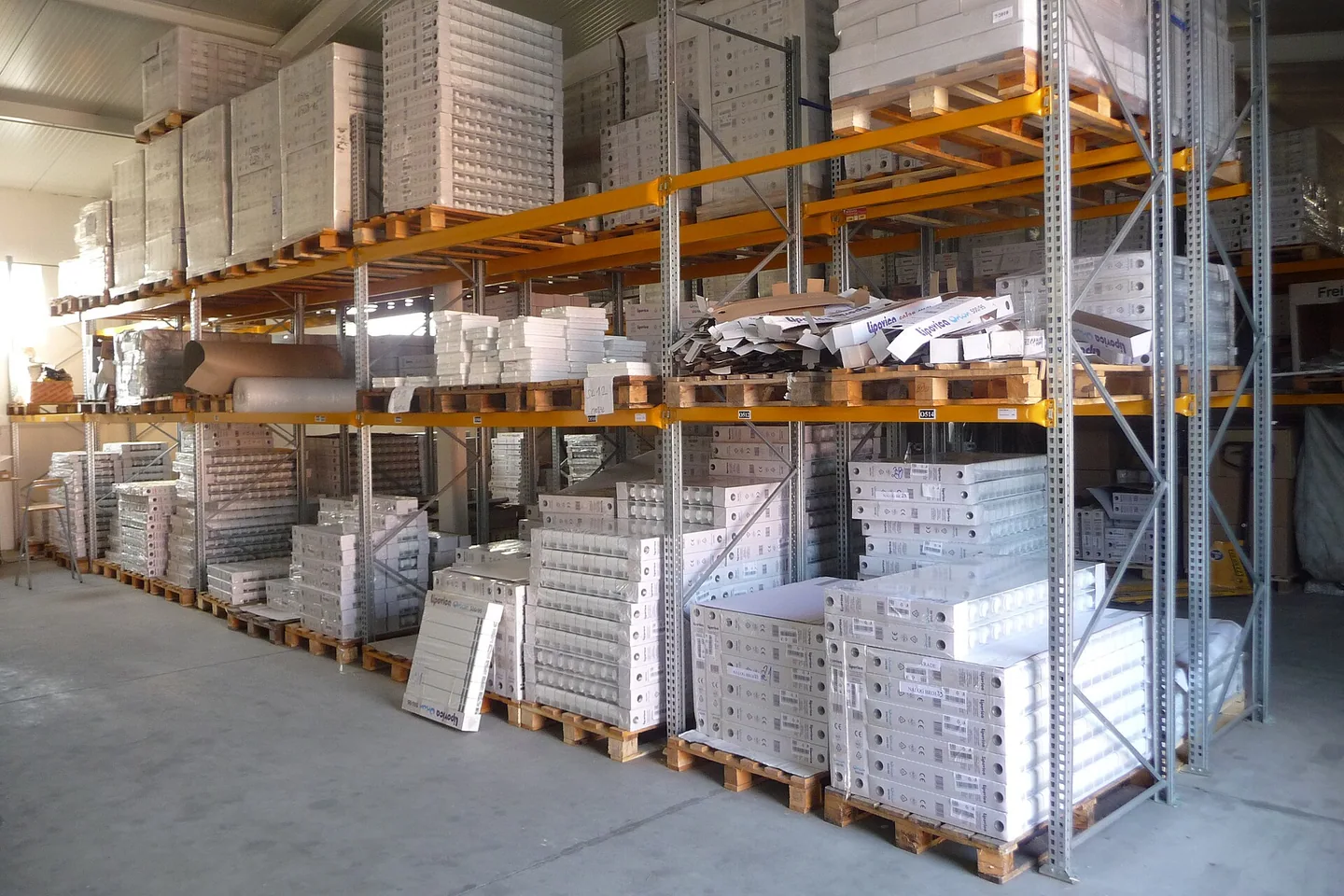
Goods and funds follow different records. Connect both to the order without treating one as proof of the other.
Third-party scene photography accompanies the guidance. It does not document our facilities or an order handled by us.
Explore the visual libraryIn this guide
Start with the arrangement you actually use
Use the ledger for the purchasing, payment-support or supplier-remedy arrangement you actually have. Before paying, obtain the recipient, purpose and order authorisation. Agree how unused funds, changed purchases and supplier refunds will be recorded, returned or reused on your instruction. If a provider uses a prepaid wallet, reconcile it to transactions. This guide does not assume a wallet feature with 1688 Overseas UK.
Back to guide contentsGive every money movement its own reference
Keep transaction events separate from the current order status. One supplier order may have a deposit, balance payment and partial refund; one transfer may fund several approved purchases. Record the allocation between them. Retain the original currency and amount, with the conversion basis used for any comparison. Do not add pounds and yuan in the same running total. Where a transfer covers several purposes, use linked lines that reconcile back to that transfer rather than treating the full payment as supplier goods value.
Scroll sideways if needed. Keyboard: focus the table area and use the left and right arrow keys.
| Ledger field | What to enter | Question it answers |
|---|---|---|
| Order and movement IDs | Order, supplier and a unique payment or receipt reference | Which purchase and event does this amount belong to? |
| Purpose and parties | Goods, purchasing fee, freight or refund; payer and recipient | Who is meant to receive the money, and why? |
| Amount and currency | Original amount, currency and separately recorded conversion basis | Can this line be compared with the supporting record? |
| Current state | Awaiting authorisation, authorised, initiated, confirmed paid or received | Has money moved, or is the next step still pending? |
| Evidence and action | Confirmation reference, outstanding amount, next owner and review date | What proves the state, and who resolves the remaining difference? |
Separate the goods amount from our service fee
Our purchasing service fee is 9% of the goods purchase amount. Receiving, quality checks, photography, storage and packaging are free. An original illustration of £1,000 of goods therefore has a £90 purchasing fee; transport and any applicable import amounts remain separate. Label those lines before authorising payment. If the goods quantity later changes, ask for the revised order and financial statement. The 9% arithmetic alone does not determine what has already been purchased, what a supplier owes or how an existing fee is treated after cancellation.
Back to guide contentsReconcile a refund promise with actual receipts
Consider an invented supplier refund of £200 agreed after an order problem. If the evidence confirms only £150 received, record £150 as received and £50 as outstanding. Do not show £200 as cash available or close the issue merely because the supplier accepted it. If a buyer refund is then initiated, give that onward movement its own reference and seek confirmation of its receipt. This illustration explains states, not an entitlement, refund deadline or fee policy. Record actual deductions or conversion differences if they arise, with their explanation.

Link the stock decision and the financial record
Record which goods remain, which have moved and which supplier remedy is still pending. Reconcile actual funds received separately.
Resolve money awaiting its next instruction
After a cancellation, substitution or partial purchase, compare money provided with confirmed payments, receipts and amounts still awaiting allocation. Name the order lines affected and ask the holder to confirm the amount and currency available. Give a dated instruction identifying whether it should be returned or applied to a specified approved purchase. Retain the acknowledgement and the subsequent transaction evidence. Reuse is a new instruction to record; a supplier refund should not silently become approval to buy a substitute product.
Back to guide contentsClose with separate goods and funds reconciliations
At the review point, list open money movements as well as held, returned and released stock. A carton arriving does not prove a refund arrived, and a settled payment does not prove all goods were received. Ask for the missing evidence for each unresolved line, with its next owner and review date. Keep receipts and correspondence accessible through the order's after-sales work. Use the official contact details on our website when confirming an instruction, particularly if an unexpected message proposes a different payment recipient.
Back to guide contentsBring the order and the money records together
Send the supplier order, payment references and any refund evidence already available. Identify which amount or movement remains unconfirmed so the next action can be agreed.
Questions before you order
Does this guide mean I need to open an agent wallet?
No. Use the ledger for the actual arrangement agreed for your order. It does not state that we operate a prepaid-wallet product or require you to keep a continuing balance.
Can I count a supplier's refund confirmation as money received?
Keep it as an agreed or pending refund until receipt is evidenced. Record partial receipts and the remaining amount separately.
Does a refund automatically change the 9% service fee?
The published fee basis explains the purchasing calculation. Ask for the order-specific treatment of goods already bought, cancellations and any service fee adjustment; the ledger does not create a refund entitlement.
What if the supplier refund and buyer refund use different currencies?
Keep both original-currency transactions and the applicable conversion records. Reconcile any difference explicitly rather than comparing the numerical amounts as though their currencies were the same.
Related visual references
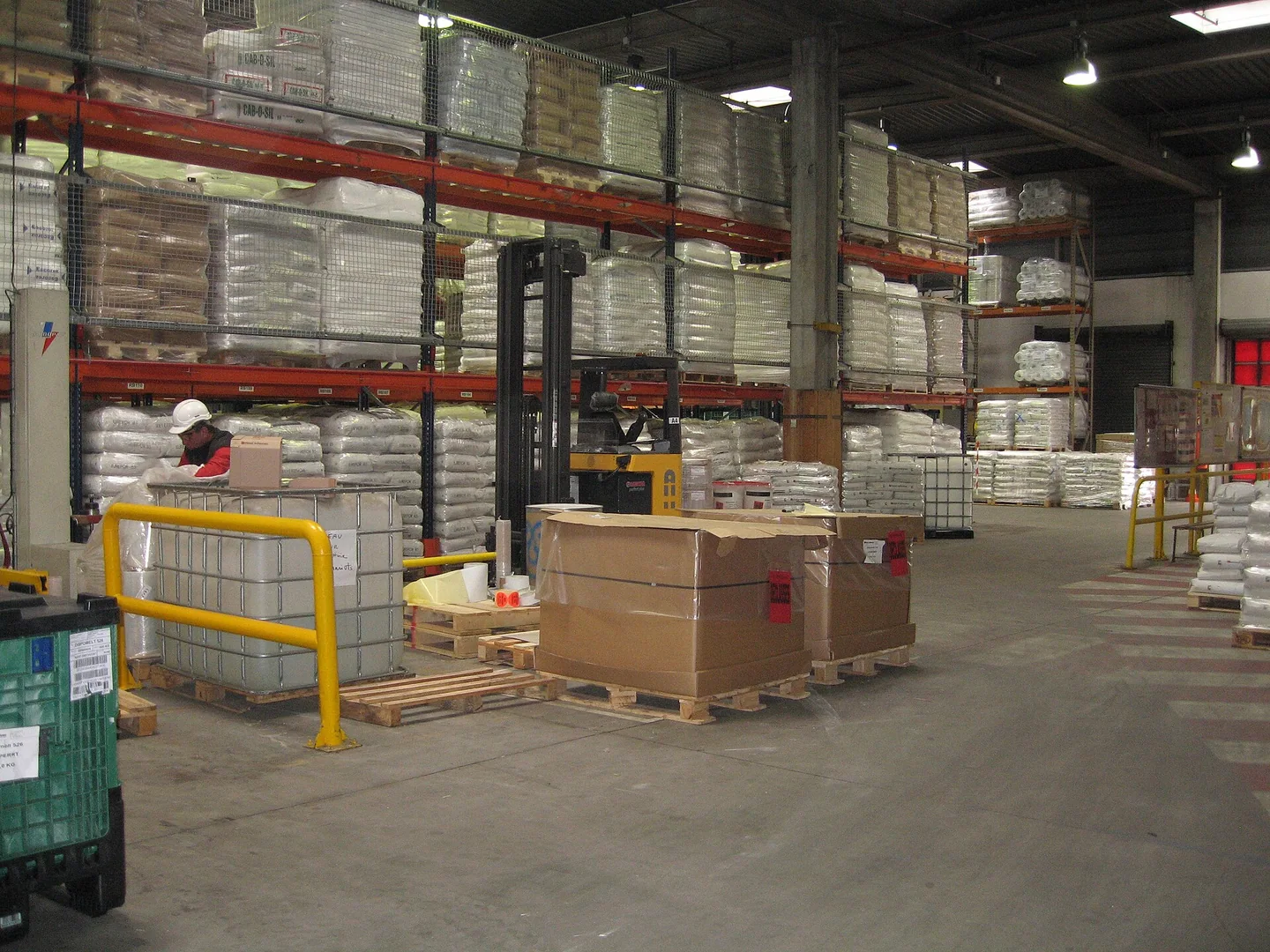
Look more closely at the storage, handling and transport settings that inform an order plan. Each photograph links to its original source.


Sources & further guidance
Fishgoo's article supplied the topic of prepaid funds and refund visibility. The ledger, state distinctions and numerical examples are our original business guidance. Our 9% goods-based fee and free services were confirmed by the owner. No wallet feature, withdrawal policy, payment protection or refund timetable is adopted from the competitor.
Our published purchasing fee and free China warehouse services apply. Confirm product acceptance, inspection scope, freight charges and delivery arrangements for your order. See our 9% purchasing fee and free services.