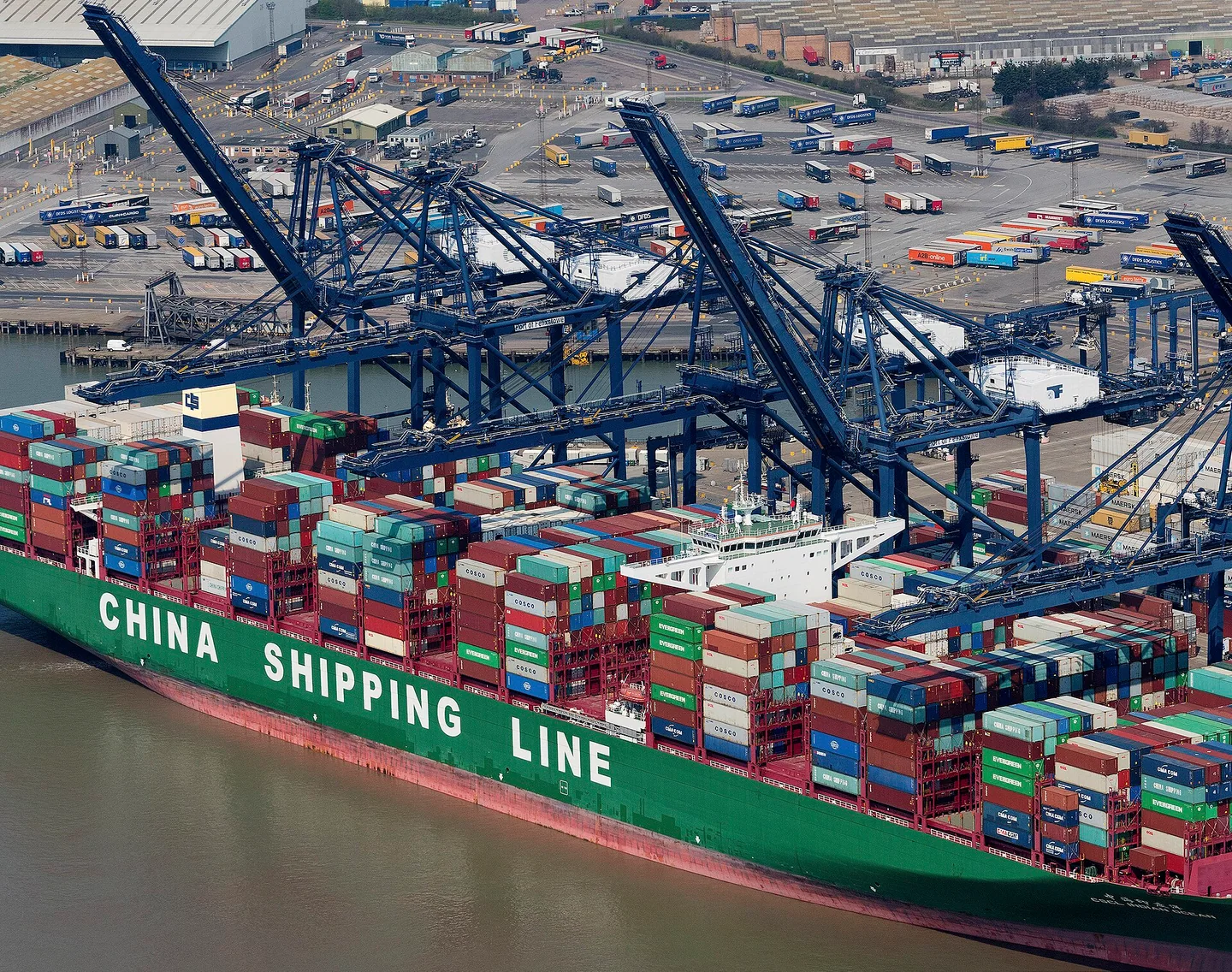
What information should I prepare for a 1688 shipment to the UK?
Prepare accurate goods and transaction details, the final packing record, transport references and the information your appointed customs agent requests. For Great Britain commercial imports, check the GB EORI requirement, commodity classification, customs value and any product-specific documents. Reconcile the files with the goods actually released, then keep the submitted versions and resulting customs records.
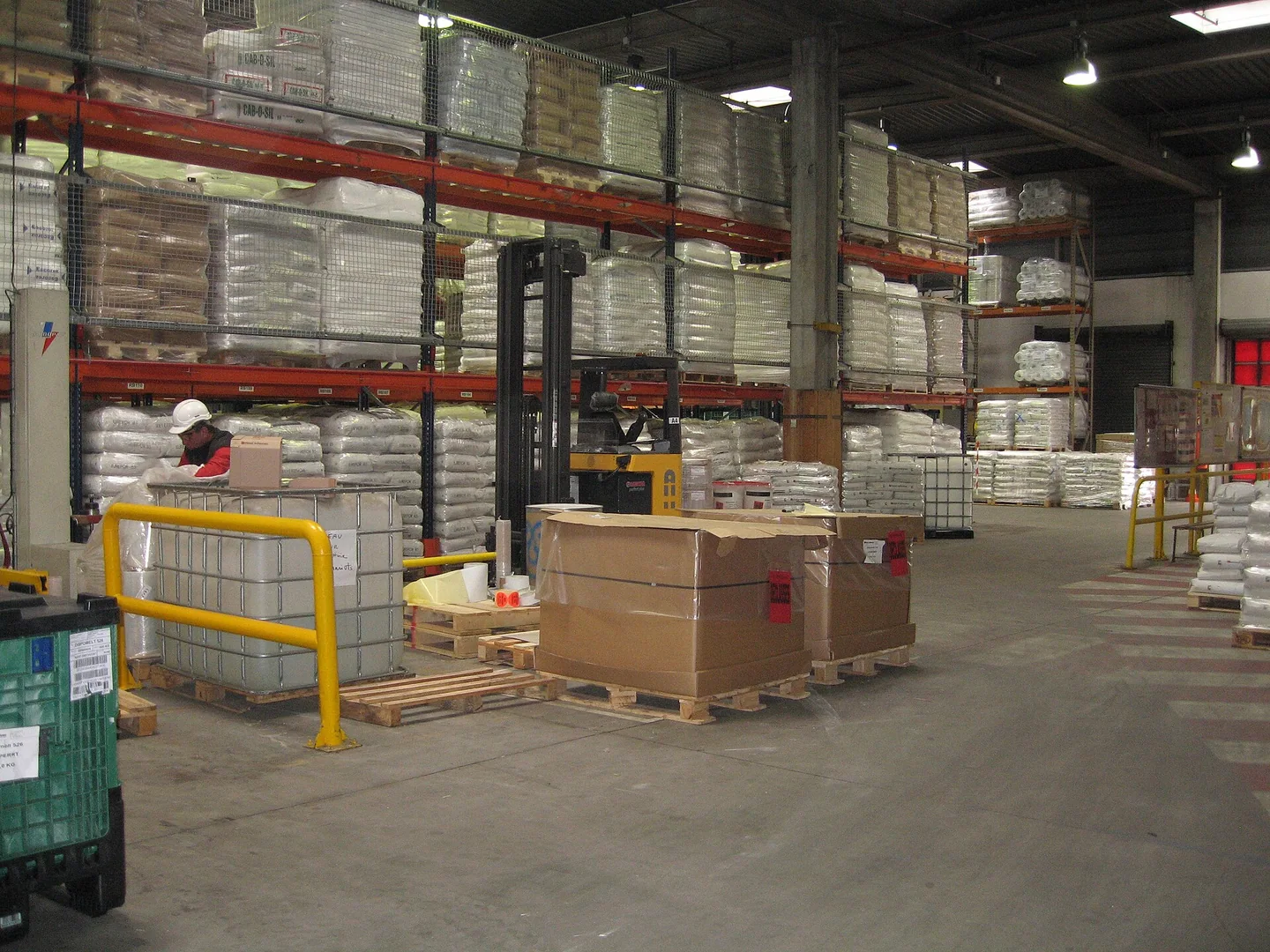
The import file should identify the goods and cartons actually released from China.
Third-party scene photography accompanies the guidance. It does not document our facilities or an order handled by us.
Explore the visual libraryIn this guide
Establish the destination and import arrangement first
This checklist is for planning commercial stock shipments from China to Great Britain. GOV.UK's import process covers business readiness, classification, valuation, licences, customs and records. It identifies the GB EORI requirement for imports into England, Wales and Scotland. Northern Ireland has different arrangements. Tell the customs agent where the goods are going, who is buying and selling them and who will act for the importer. Ask for a list of the documents needed for this product and transaction.
Back to guide contentsCreate a document register for the shipment
Give the shipment one working reference. List each file, its owner, version, status and intended recipient. Keep a draft visible as a draft until its facts are confirmed. The table is our original coordination aid; not every row is a separate legally required document, and your customs agent may need additional evidence. A screenshot of a 1688 listing helps identify an item but may not contain the transaction details needed for import work.
Scroll sideways if needed. Keyboard: focus the table area and use the left and right arrow keys.
| Record | Fields to reconcile | Person to obtain confirmation from |
|---|---|---|
| Goods invoice | Seller, buyer, goods description, quantity, unit price, total and currency | Invoice issuer and purchasing contact |
| Final packing list | Carton IDs, contents, units, gross weights and outside dimensions | Person packing the released goods |
| Transport record | Booking or waybill reference, parties, destination and shipment identity | Transport provider |
| Customs instruction | Importer details, representation, classification and value information | Importer and appointed customs agent |
| Product-specific evidence | Model, intended use, material, applicable permissions or compliance documents | Supplier and responsible importer |
| Arrival and accounting file | Declaration references and applicable duty/VAT records | Customs agent and accounts contact |
Resolve differences after consolidation or repacking
A supplier's original dispatch list may describe cartons that no longer exist after consolidation. Compare it with the final carton map. Trace mixed cartons back to their source orders, update changed quantities and identify stock excluded from dispatch. For example, in an invented 120-unit order with four units held in China, the shipment packing record should describe the 116 units released. Ask the invoice issuer and agent how the transaction and document set should reflect that situation; do not silently edit an issued invoice.
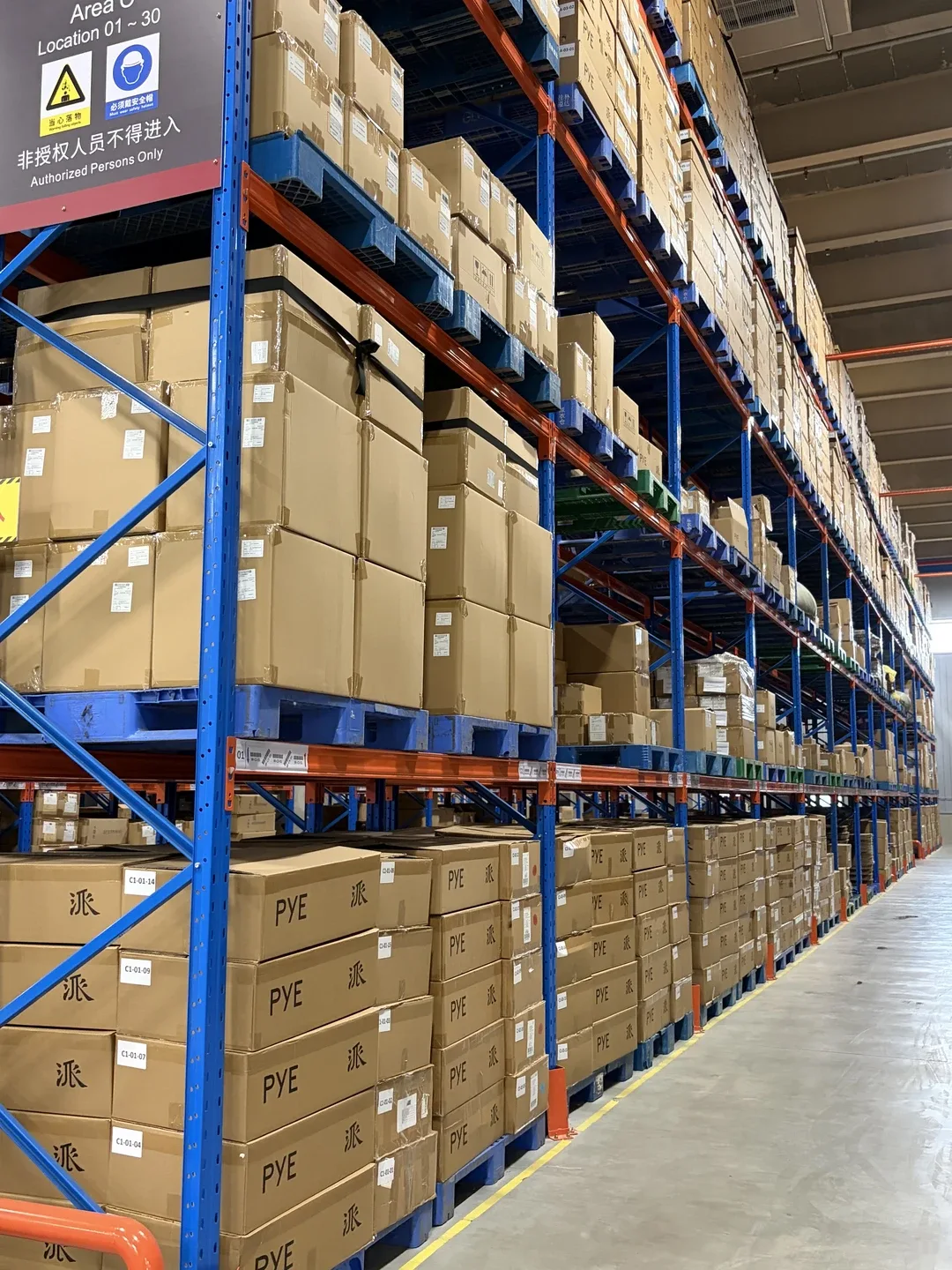
Update the final carton record
After consolidation, sample removal or repacking, compare the current contents and quantities with the documents being handed over.
Give the agent enough product detail to review classification
Use a factual description that identifies the product, material and intended function. Add model references and supporting specifications where helpful. A warehouse nickname such as accessories or sample box does not explain what the goods are. GOV.UK explains that commodity codes affect duty and possible licensing requirements, and that the declared value is used to work out duty and VAT. Have the responsible parties resolve those fields; a supplier's suggested code is a starting point for review, not automatic UK confirmation.
Back to guide contentsSend a controlled handover before dispatch
Send the current file register to the appointed agent and obtain acknowledgement. List each open question, its owner and the information needed to answer it. Keep written customs representation instructions separate from the freight booking, as HMRC requires. If a customs query arises, ask which document or field is outstanding and when the agent will provide the next update.
- HMRC: appoint someone to deal with customs
- Fishgoo: customs-delay questions (commercial topic reference)
Keep the final records accessible after arrival
Store the issued invoice, final packing list, transport references and customs records with the order. Where import VAT applies, have accounts identify the evidence and treatment appropriate to your business; a freight invoice alone does not answer every VAT question. Keep later corrections with the earlier versions and an explanation of the change. Link shortages or delivery findings to the same shipment reference so the receiving record can be followed back to the goods that left China.
Back to guide contentsPrepare the shipment information
Send the order list, goods descriptions, packing status and destination. Identify your customs contact and any document questions already raised.
Questions before you order
Is this a universal list of all legally required import documents?
No. It is a coordination checklist. Required records depend on the goods, destination, transaction and procedure; obtain the actual requirements from the appointed customs agent and relevant official guidance.
Can I reuse the supplier's original carton list after repacking?
Check it against the final packing. New cartons, mixed contents or held units require a current record and a clear link to the original order.
Can a warehouse choose my UK commodity code from a product photo?
A photo can leave material, function and composition unclear. Supply the relevant product details and have the responsible importer and customs agent resolve the classification.
Does free packaging remove the need for packing records?
No. Our packaging service is free, and the final contents, carton IDs and measurements still need to be recorded for the shipment.
Related visual references
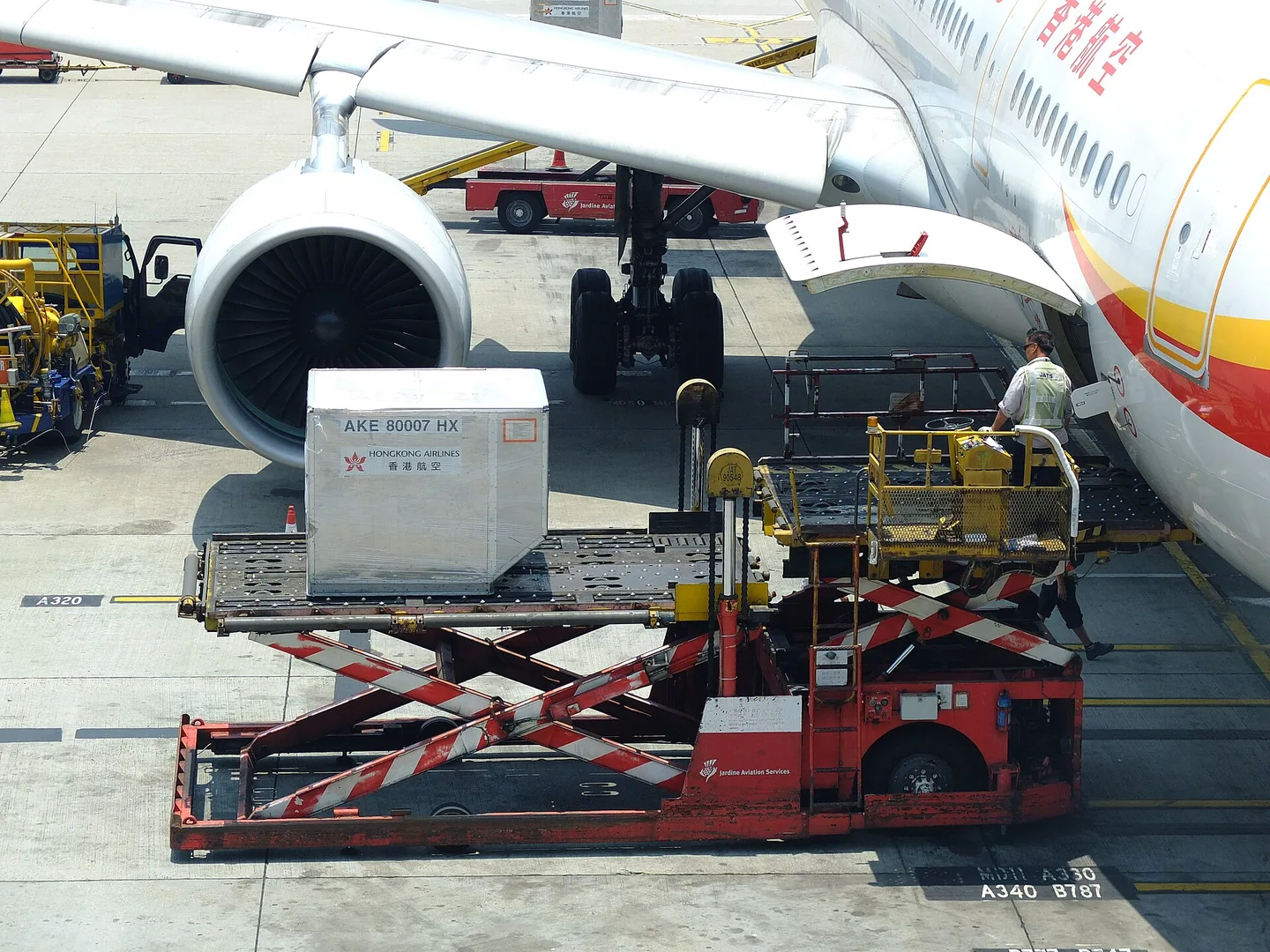
Look more closely at the storage, handling and transport settings that inform an order plan. Each photograph links to its original source.


Sources & further guidance
- GOV.UK: importing goods step by step
- HMRC: appoint someone to deal with customs
- Fishgoo: customs-delay questions (commercial topic reference)
Reviewed on 25 October 2026. Tables and quantity examples are original planning aids, not customer records or legal document templates. Confirm the actual requirements with the appointed customs agent; Northern Ireland requires separate review.
Our published purchasing fee and free China warehouse services apply. Confirm product acceptance, inspection scope, freight charges and delivery arrangements for your order. See our 9% purchasing fee and free services.