How should I split a 1688 purchase between several destinations?
Split a 1688 order by assigning each received SKU quantity to a destination or a separate held-stock state. Reconcile the allocations to the receipt, then issue carton contents and release instructions for each shipment. Obtain a transport and import plan for every destination. Allocate shared costs on a recorded basis and use actual quotes for destination freight.
Allocate each SKU to one current destination or hold state before creating separate shipments.
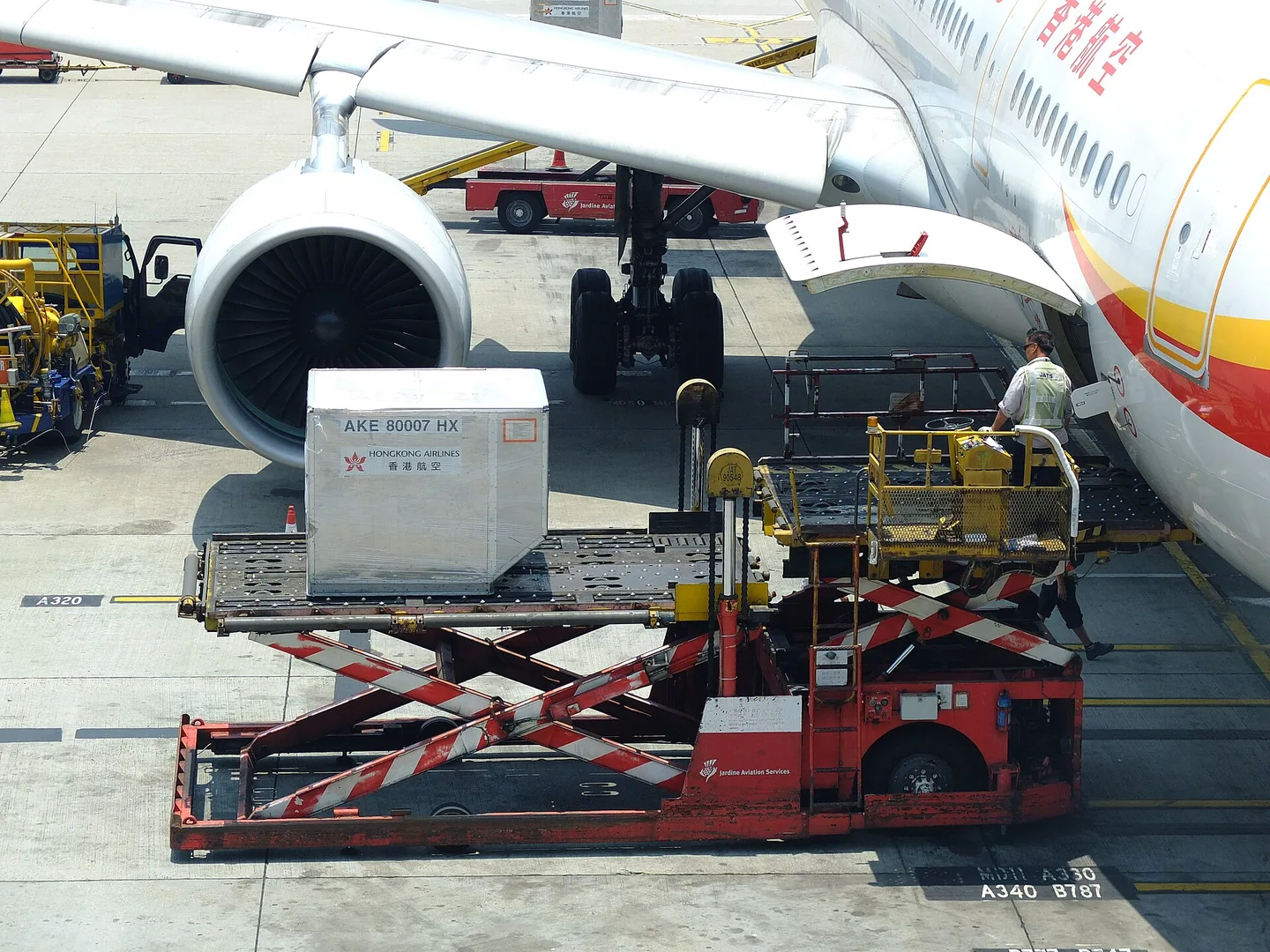
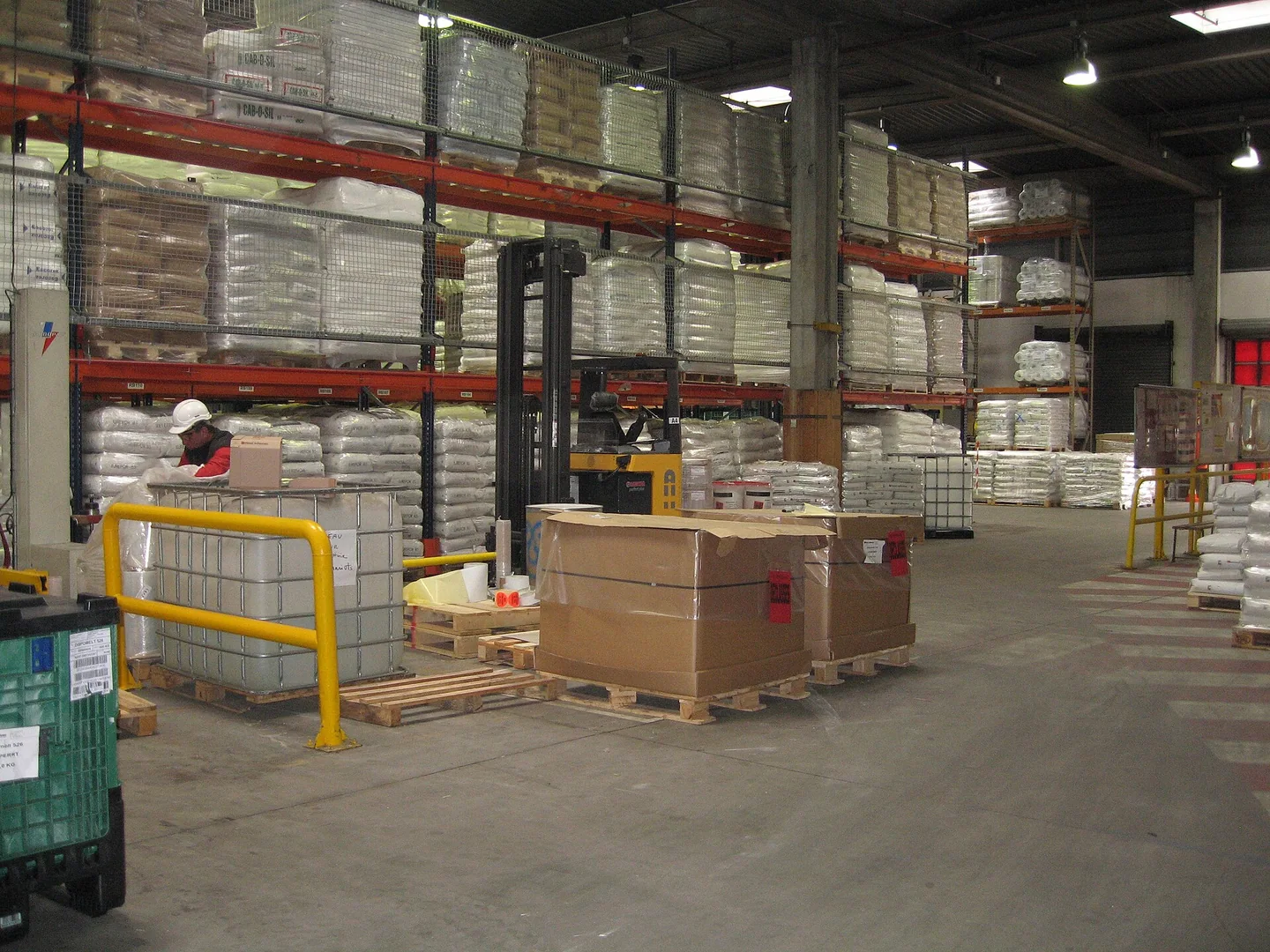
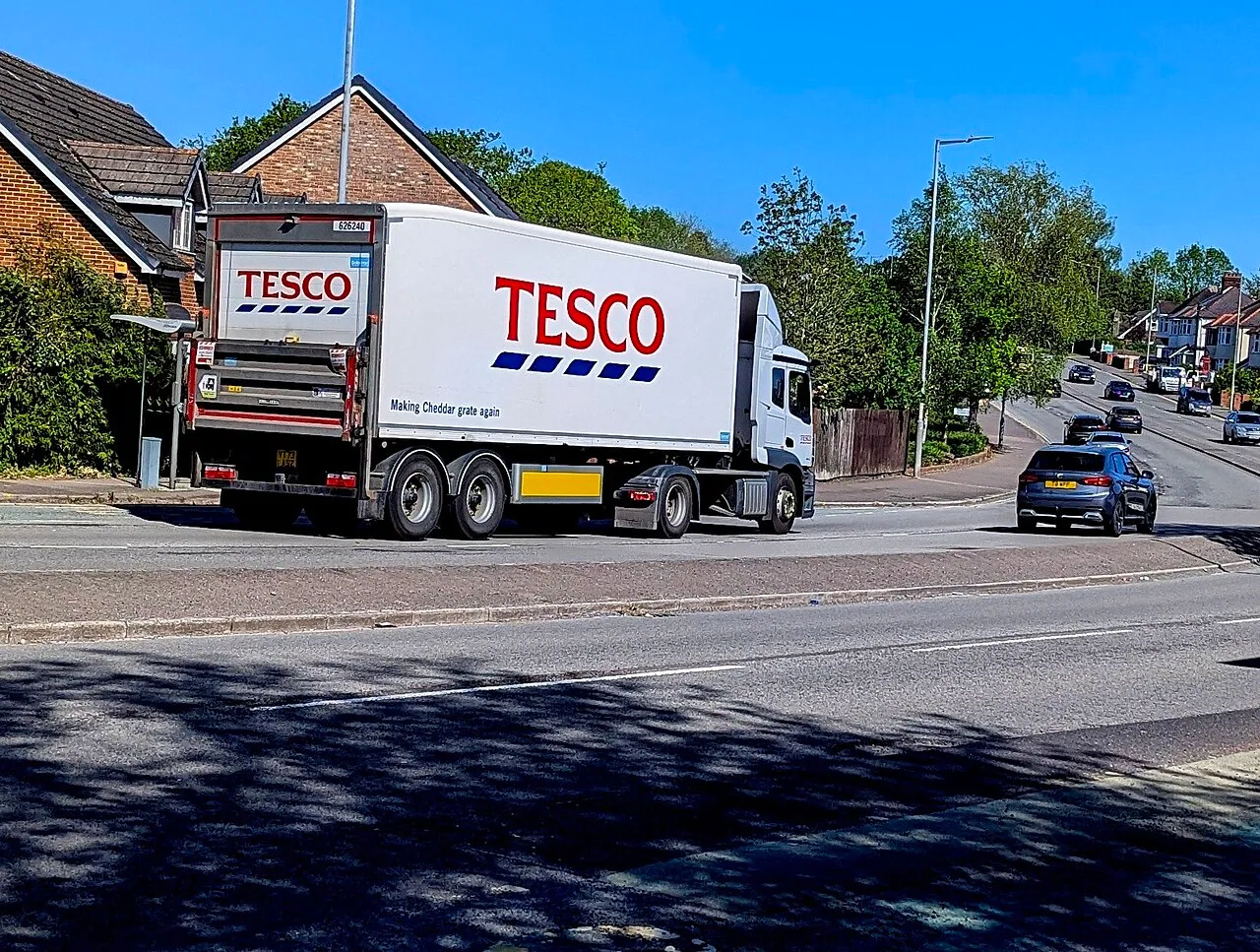
Third-party scene photography accompanies the guidance. It does not document our facilities or an order handled by us.
Explore the visual libraryIn this guide
Give each destination its own receiving brief
Create a receiving brief for each destination: country, postcode, receiver, receiving reference and required date. Identify the owners and approval parties where different businesses share a purchase. Name who approves each allocation and who authorises dispatch. Keep one combined record so the destination instructions can be reconciled to the goods received.
Back to guide contentsAllocate the received quantity before allocating cartons
Start with the goods actually received by SKU and variant, with checking and hold status available beside them. In the original invented example below, 100 units are assigned to two destinations and a held-stock line: 50 + 30 + 20 = 100. Only 80 units are proposed for dispatch. Keep the held units in the receipt reconciliation; they do not disappear because they have no transport booking. If a destination changes, revise the allocation and obtain approval before the packing team follows it.
Scroll sideways if needed. Keyboard: focus the table area and use the left and right arrow keys.
| Allocation | Units | Packing and release instruction |
|---|---|---|
| UK warehouse | 50 | Propose five cartons of ten, each with the UK receiving reference |
| Second overseas destination | 30 | Propose three cartons of ten, with its own receiver and shipment reference |
| Held in China | 20 | Keep identifiable and excluded from both releases pending the recorded decision |
| Total received | 100 | Reconcile all allocations; proposed dispatched quantity is 80 |
Carry the allocation into the final carton map
Give every outbound carton a destination and unique identifier. Record its SKU contents, quantities, outside dimensions and gross weight after packing. For mixed cartons, retain a contents list that identifies each SKU and variant. If goods must be split from a supplier's original carton, link the new cartons to that receipt and update the remaining contents. Our receiving, quality checks, photography, storage and packaging are free. Provide the packing and label instructions needed for the destination; stock ownership and packing location still need clear records.
Back to guide contentsKeep common costs and destination costs distinct
Our purchasing fee is 9% of the goods purchase amount. Identify the goods and purchasing fee assigned to each part of the order, then record any agreed allocation of common China domestic freight. For an invented £80 common domestic transport amount and a chosen equal-unit basis across 100 identical units, the 50-unit allocation carries £40, the 30-unit allocation £24 and held stock £16. These sum to £80. This is a costing illustration, not a quote. Destination freight should use its actual packed shipment and quotation, not that illustrative equal-unit basis.

Give each receiving point its own handover
Keep destination addresses, released cartons, packing records and transport references together for the relevant receiving team.
Approve each destination's freight and import arrangement
Our 3000+ worldwide routes include express, parcel, air, sea and road options, with DDP or DAP services. Obtain acceptance and a quote for each destination's goods and packing. Record the named delivery point, import responsibilities and receiving instructions. Our published overseas service account provides historical background only; it does not establish acceptance or timing for the proposed split.
Back to guide contentsRelease, track and reconcile each part separately
Issue a release naming the destination, record version, SKU quantities and exact cartons. Show excluded stock and its next decision on the combined record. Obtain the transport reference for each released part and pass the matching packing file to its receiver. Close a destination only against its actual delivery and receiving evidence; a delivered scan for one part cannot settle another. When the held quantity is later approved, create a new release and quote using its current packing, instead of silently adding it to a shipment already sent.
Back to guide contentsPrepare one allocation sheet and separate destination briefs
Send the SKU quantities, proposed destinations, held stock and receiving requirements. We can discuss the packing, release records and suitable transport options for each shipment.
Questions before you order
Should I divide international freight equally by item count?
Use the actual quote and an agreed costing basis. Different carton sizes, weights, destinations and services can produce different costs. An equal-unit illustration is not a universal freight formula.
Can held goods stay outside the allocation sheet?
Keep them on a separate held-stock line with location, quantity and next decision. The destinations and held stock should reconcile to the goods received.
Does sending stock to two countries mean one DDP arrangement covers both?
Confirm the transport and import responsibilities for each destination. One quotation or acceptance decision should not be assumed to cover another shipment.
Does this guide say you completed the example shipment?
No. The quantities and common-cost example are invented planning illustrations. The separately linked service account has its own stated historical scope and limitations.
Related visual references
Look more closely at the storage, handling and transport settings that inform an order plan. Each photograph links to its original source.


Sources & further guidance
- Fishgoo: group-order coordination (commercial topic reference)
- 1688 Overseas UK: bounded historical consolidation and overseas service experience
The stock allocation, carton instructions and cost examples are original editorial planning aids. Fishgoo's consumer group-order savings, single-address assumptions and commission are not adopted. Our service-experience page is a bounded historical account, not evidence that this invented multi-destination example occurred.
Our published purchasing fee and free China warehouse services apply. Confirm product acceptance, inspection scope, freight charges and delivery arrangements for your order. See our 9% purchasing fee and free services.