
How do I check whether a 1688 product can be shipped and sold in the UK?
Identify the exact product, its components, intended use and destination market. Have the responsible business review the applicable product requirements, and obtain route acceptance for the goods as packed. Product compliance and transport acceptance answer different questions. A listing, visual QC photo or CE/UKCA logo alone does not establish that every requirement has been met.
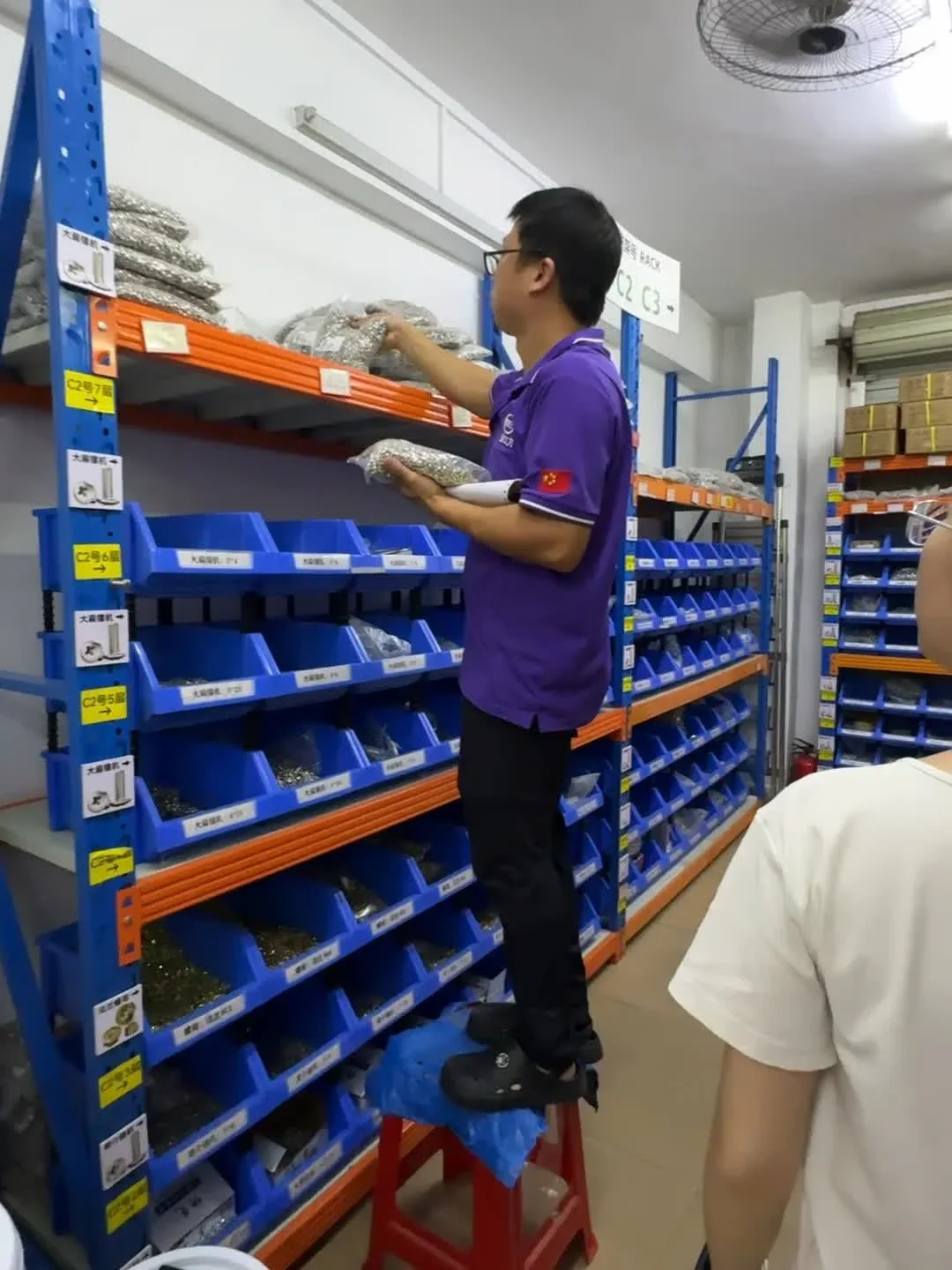
Begin with the exact model, components and intended use before requesting product or transport review.
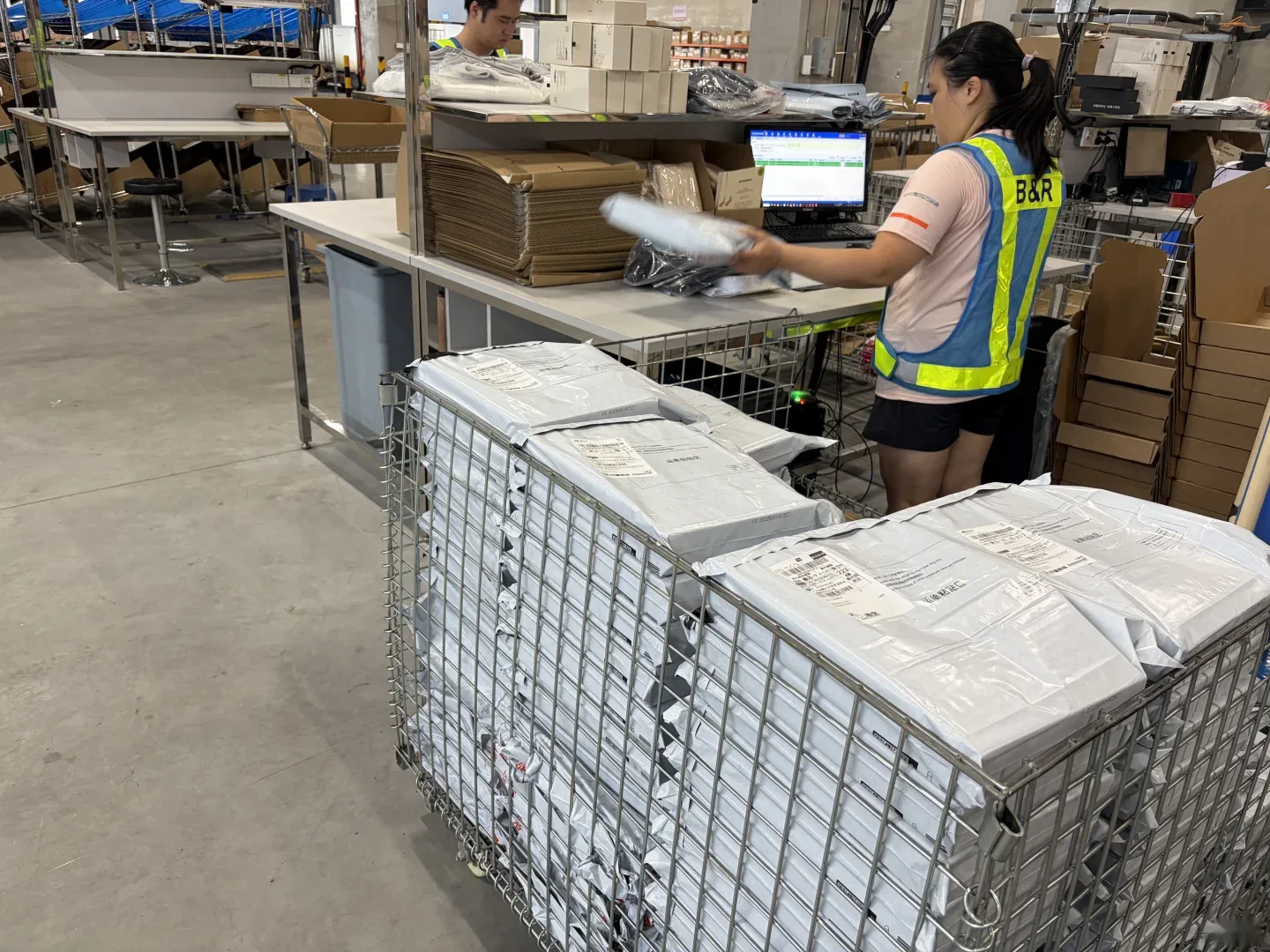
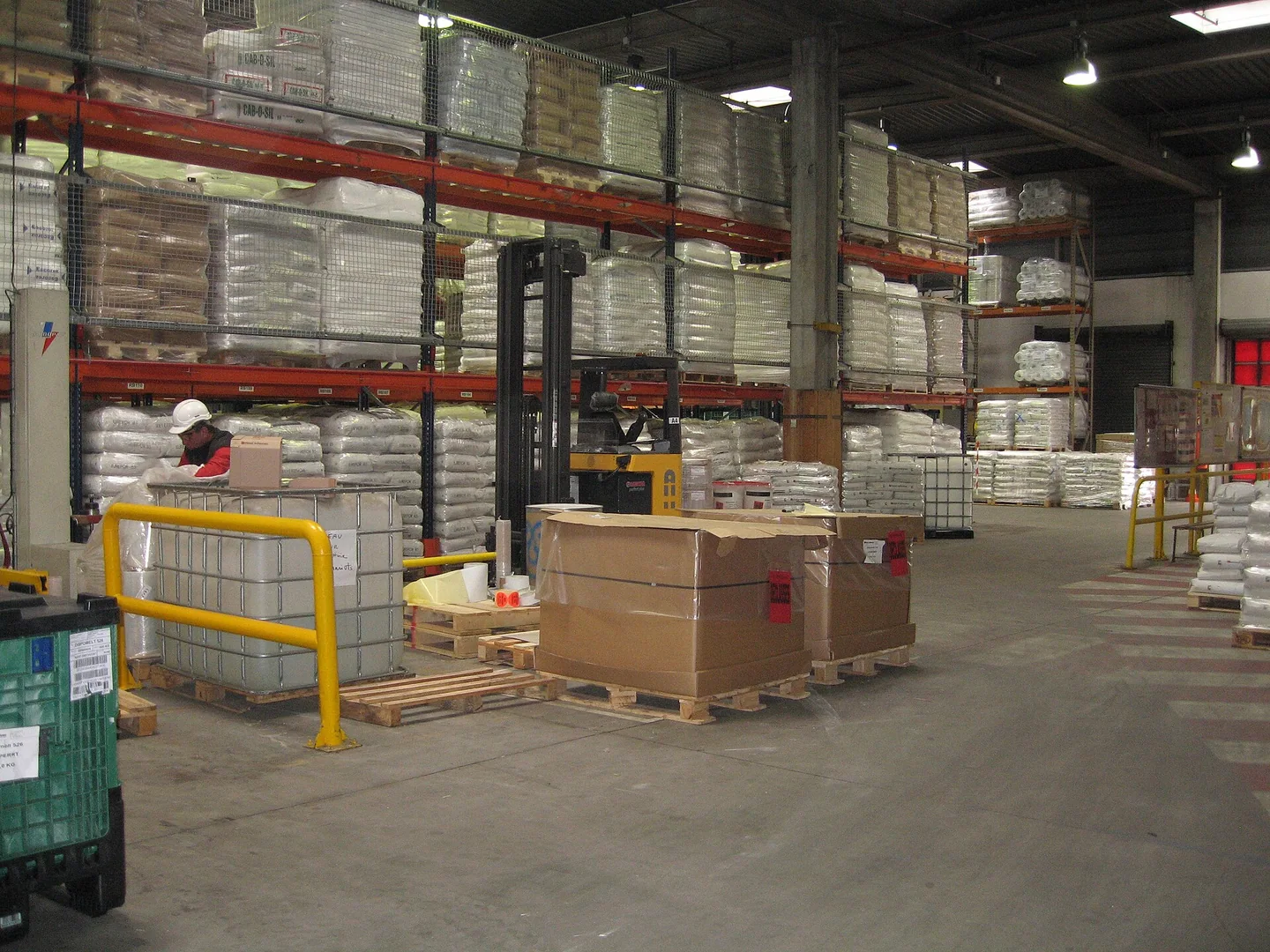
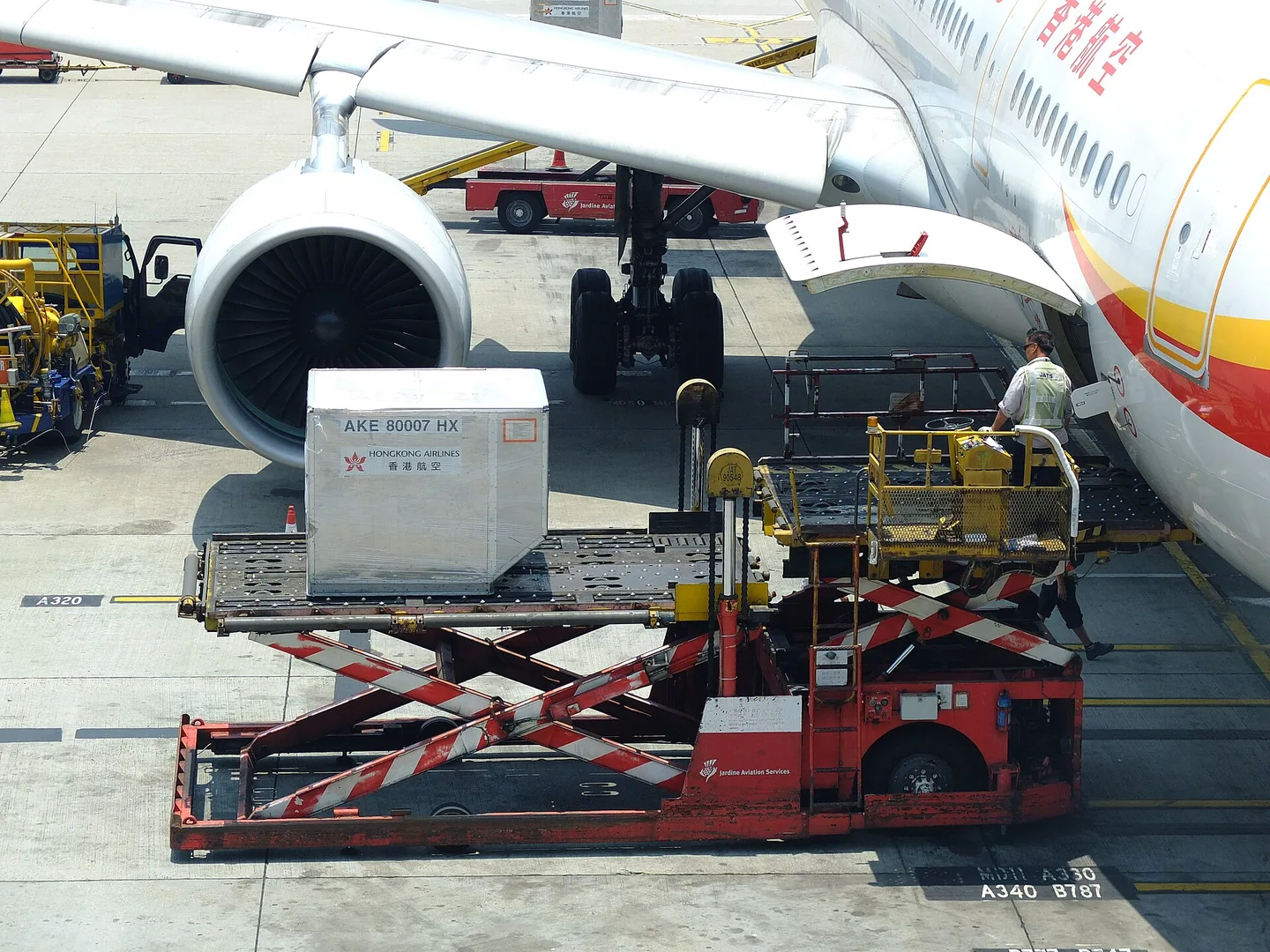
Third-party scene photography accompanies the guidance. It does not document our facilities or an order handled by us.
Explore the visual libraryIn this guide
Identify what you plan to place on the market
Record the exact model, intended user, intended use, materials, components and any power source. State whether you plan to sell it under the supplier's brand, your own brand or another arrangement. Current GOV.UK guidance for Great Britain starts with the market, business roles and applicable product rules before documentation and marking. Northern Ireland has a different framework. Use that sequence before ordering a bulk batch; a generic product title can hide details that change the review.
Back to guide contentsBuild a product question file before requesting a route
The following original checklist helps collect evidence without declaring a product safe or acceptable. Ask the supplier for documents tied to the exact model and verify their relevance with a competent reviewer. A document for a similar model or a different manufacturer may not answer the question. Keep missing information visible and decide whether purchasing should remain on hold while it is obtained.
Scroll sideways if needed. Keyboard: focus the table area and use the left and right arrow keys.
| Product feature | Information to request | Separate decision needed |
|---|---|---|
| Battery or powered component | Chemistry, model, rating, configuration and whether installed or packed separately | Product obligations and carrier dangerous-goods assessment |
| Electrical function | Exact electrical ratings, plug, instructions and relevant model documentation | Applicable product rules and evidence review |
| Liquid, powder or aerosol | Composition, quantity, packaging and safety information where applicable | Transport classification and route acceptance |
| Children's use or safety function | Intended age/use, materials, design and relevant evidence | Product-specific safety requirements |
| Branded or licensed design | Supplier identity and evidence of authority for the proposed supply | Rights and authenticity due diligence |
Review product evidence before treating a mark as sufficient
GOV.UK explains that the applicable conformity process depends on the product and market, including requirements for documentation and marking. Ask which rules apply and whether the supplied evidence covers the actual design and intended use. If your name or trademark will appear on the product, have the reviewer consider the resulting role and responsibilities. Record who reviewed the evidence, the model version and any unresolved point. Keep that assessment separate from the warehouse's visible condition report.
Back to guide contentsObtain transport acceptance for the goods as packed
Describe the actual contents to the transport provider, including relevant batteries, liquids or other components. GOV.UK identifies different dangerous-goods regimes for air, road and sea. A route suitable for ordinary cartons may need a different assessment for the proposed contents. Ask for the required documentation, packing and labelling, and obtain the provider's decision before purchase or booking. Acceptance for one mode or configuration should not be assumed to cover another.
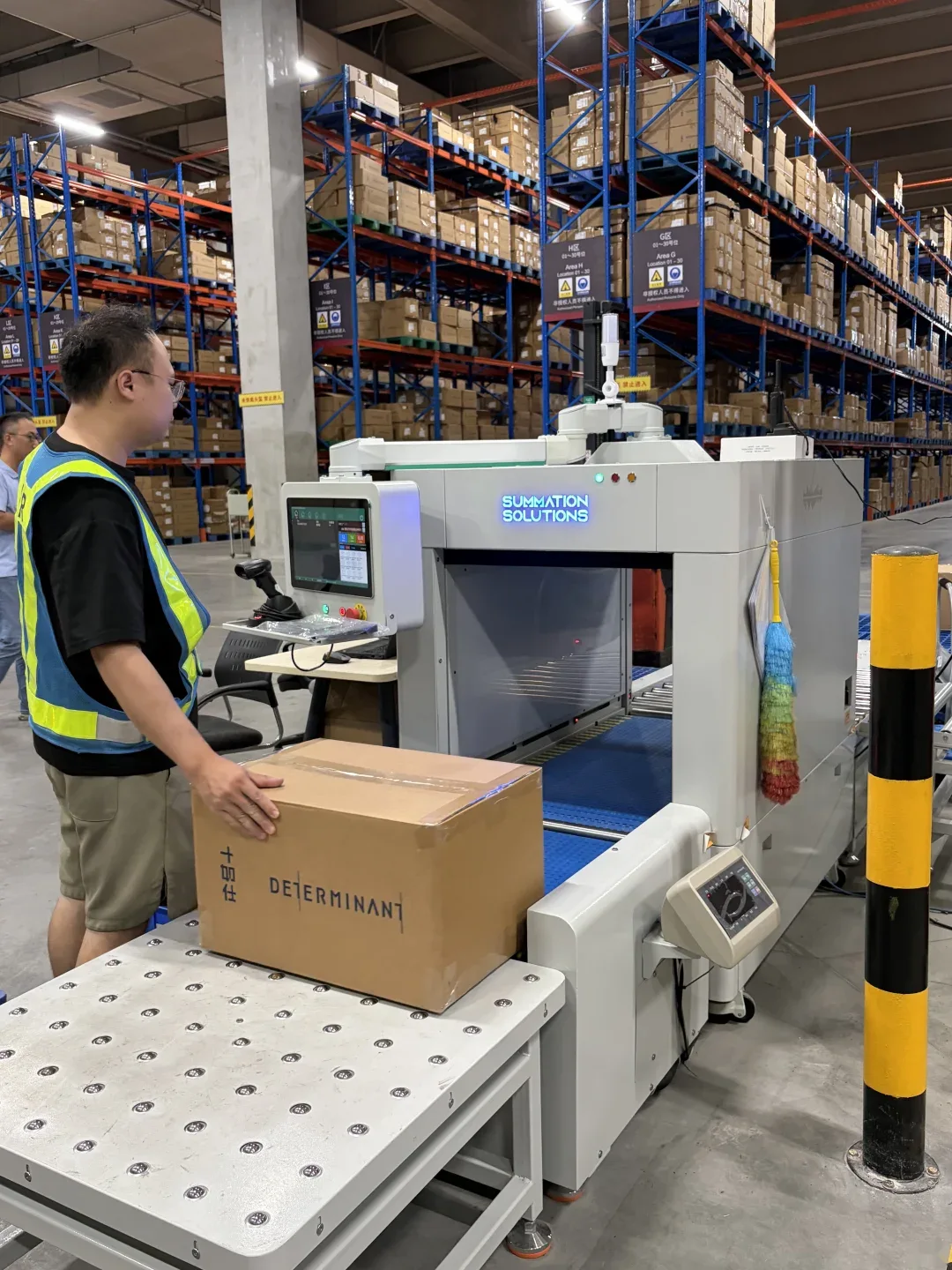
Match acceptance to the actual packing
Tell the provider what the shipment contains and how it is packed. Record the applicable route decision before approving dispatch.
Use QC photographs for the questions they can answer
Our quality checks and photography are free. Request images of model references, labels, included components, packing and the features in your checking brief. Photos cannot establish internal electrical protection, chemical composition or the validity of a conformity document. Assess the actual product and intended use, including low-voltage goods; voltage alone does not settle product safety.
Back to guide contentsKeep approval gates attached to the order version
Create three separate entries: product review, route acceptance and buyer purchase approval. Each should name the evidence, responsible person, date and product version. In an invented example, a rechargeable display is approved for one battery configuration, but the supplier later proposes a different battery. Hold the affected change for product and transport review before buying it. Update packing and quote inputs only after the relevant decisions. Our worldwide network offers 3000+ routes; the suitable option still needs to match the actual goods.
Back to guide contentsCheck the product before committing to a batch
Send the exact product link, intended market, components and documents available. Identify the product and route questions that need answering before purchasing.
Questions before you order
Does a CE or UKCA logo prove I can sell the product?
A logo alone does not establish the full compliance position. Identify the applicable product and market requirements, relevant documentation and responsible business roles.
Are USB-powered items automatically safe?
No. Low voltage does not remove every product, battery, chemical or intended-use risk. Review the exact design and applicable requirements.
Can I send battery goods by any route?
Route acceptance depends on the goods, battery configuration, documentation and packing. Give the provider accurate details and obtain its actual acceptance decision.
Do free quality checks include regulatory approval?
Quality checks and photos are free. Their agreed scope does not automatically constitute a conformity assessment, laboratory test or legal approval.
Related visual references
Look more closely at the storage, handling and transport settings that inform an order plan. Each photograph links to its original source.
Sources & further guidance
- GOV.UK: placing UKCA or CE marked products on the GB market
- GOV.UK: dangerous goods rules by transport mode
- Fishgoo: categories needing extra scrutiny (commercial topic reference)
Reviewed on 25 October 2026 against current official guidance. This is an original evidence-gathering workflow, not a product approval or a substitute for a competent product-specific review. Great Britain and Northern Ireland requirements differ.
Our published purchasing fee and free China warehouse services apply. Confirm product acceptance, inspection scope, freight charges and delivery arrangements for your order. See our 9% purchasing fee and free services.