What should a UK business confirm before buying clothing on 1688?
Confirm the exact style and colour, the supplier's size labels, finished-garment measurements and measuring method, fabric composition and GSM where relevant, sample findings and quantities per size. Keep body measurements separate from garment measurements. Approve a dated specification and define the checks before purchasing the batch.

Use a named style, supplier size and specification version to keep each clothing variant identifiable through receipt.
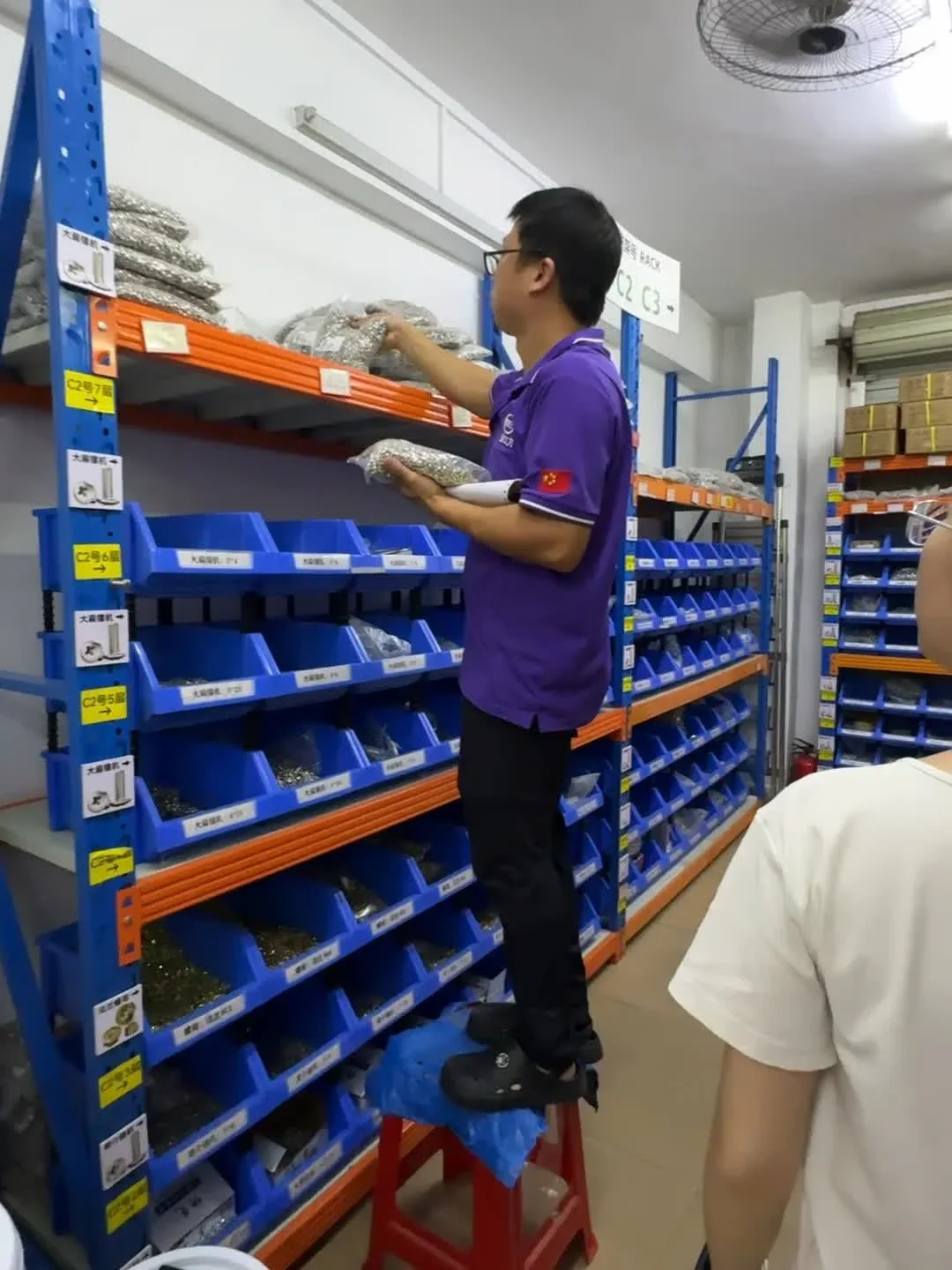
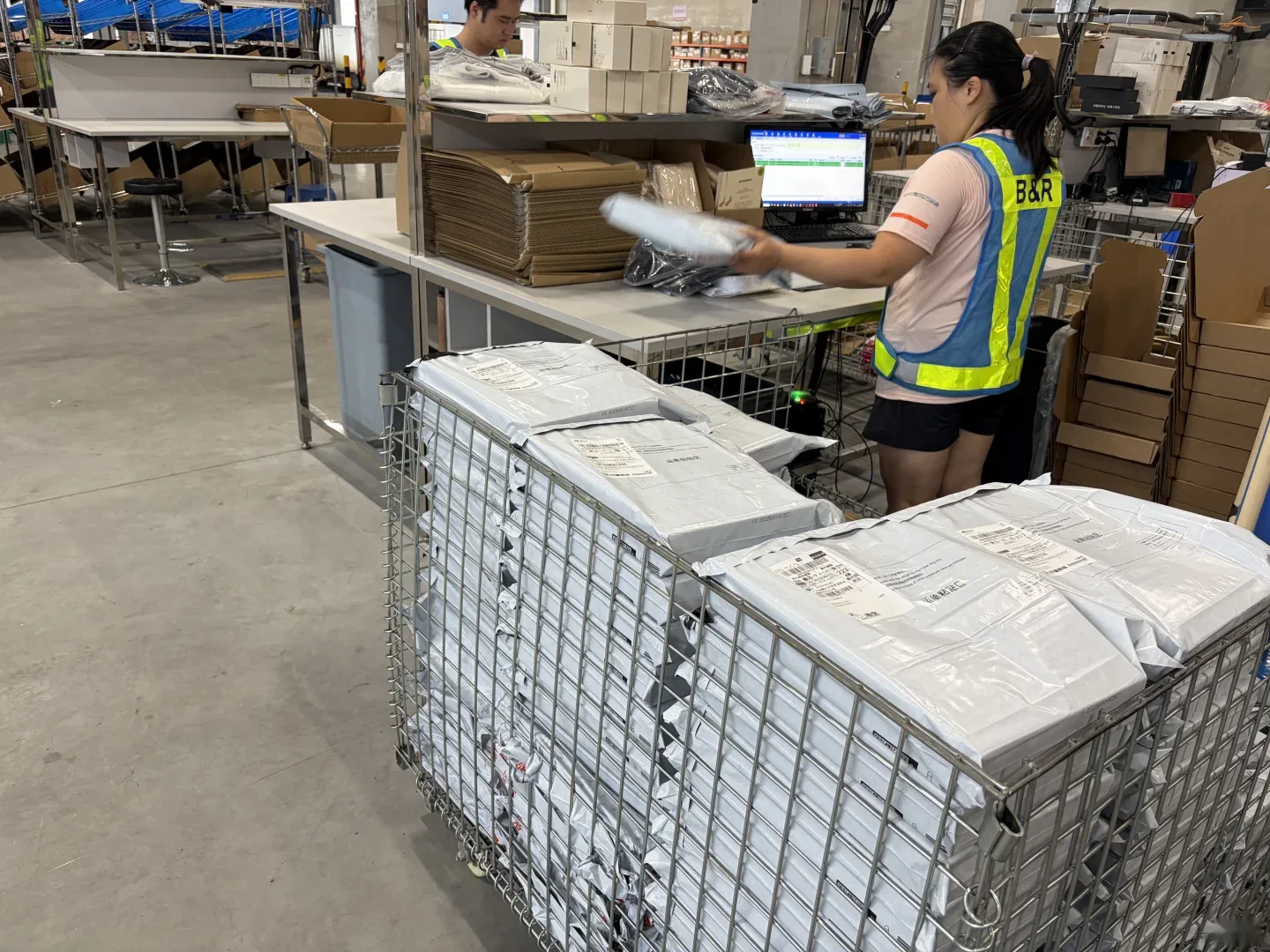
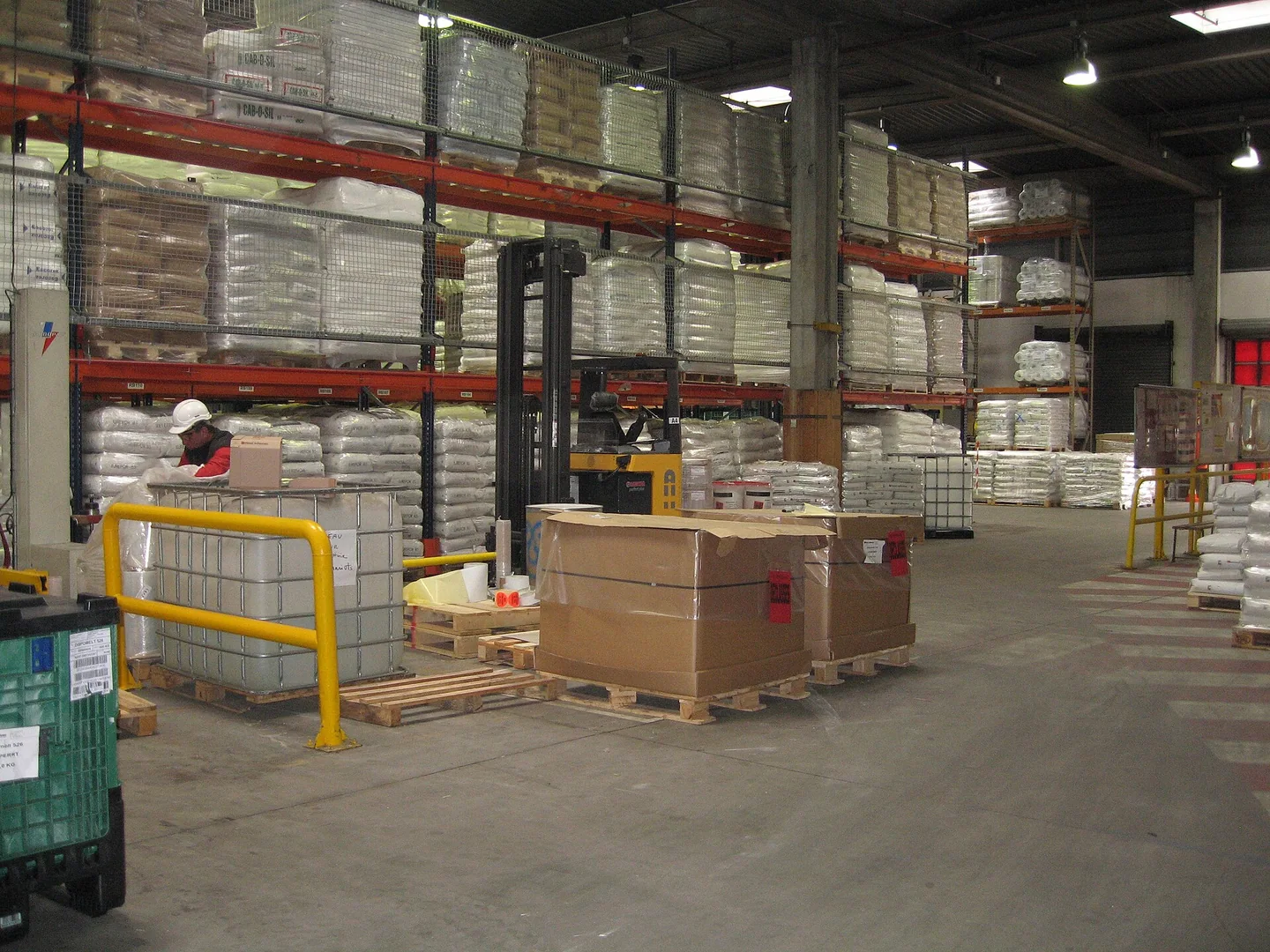
Third-party scene photography accompanies the guidance. It does not document our facilities or an order handled by us.
Explore the visual libraryIn this guide
Start with one style and the supplier's actual chart
Save the listing link, style code, colour reference and original Chinese size labels. Ask whether the supplier's chart describes body measurements, finished-garment dimensions, a laid-flat width or a circumference. Keep those fields distinct and confirm the actual style against a sample. Use the supplier's own centimetre chart; a general size-conversion table cannot establish the fit of your proposed stock.
- Fishgoo: sizing questions (commercial topic reference)
- Fishgoo: GSM buying questions (commercial topic reference)
Define each point of measurement before comparing samples
Draw or photograph where each measurement starts and ends. State whether the garment is laid flat, fastened, relaxed or stretched. Use the same method for the supplier's sample and the incoming goods. The original table below is a brief structure; it does not prescribe fit or an industry tolerance. Choose the actual target and accepted range with the supplier and the person reviewing the garment.
Scroll sideways if needed. Keyboard: focus the table area and use the left and right arrow keys.
| Field | Record in the specification | Question for the supplier |
|---|---|---|
| Chest or waist | Measurement points, flat width or circumference, and units | Is the chart a garment measurement or a body reference? |
| Length | Named start/end points and garment position | Does the sample use this exact method? |
| Sleeve or opening | Seam reference, measuring path and relaxed/stretched state | Which construction or elastic detail affects the result? |
| Acceptance | Target, agreed range, sample ID and specification version | Which differences need a buyer decision? |
Specify the fabric beyond the word heavyweight
GSM is fabric mass in grams per square metre. Record it separately from composition, construction and finish. BSI lists ASTM D3776/D3776M as fabric mass-per-unit-area test methods; agree an appropriate method if testing is required. In an invented calculation, 60 g over 0.25 m² equals 240 g/m². This is not a laboratory result. Finished-garment weight also includes its size and trims, while GSM alone does not establish quality, thickness or fit.
Back to guide contentsUse sample review to resolve the claims you intend to make
Compare the sample with the proposed measurements, colour, fabric reference, seams, closures and included trims. Record differences before approving bulk production or stock purchasing. If wash performance matters, agree the procedure, sample permission and acceptance basis. SATRA's public dimensional-stability method describes measuring before and after a controlled washing and drying process. A warehouse ruler photo does not establish that result. Keep any informal sample observation distinct from a commissioned test report, and do not publish a shrinkage or durability claim that your evidence has not established.
Back to guide contentsApprove the size run as a stock decision
List units per supplier size and colour, rather than approving only a total. Keep your own SKU mapping beside the original labels. For an invented 120-piece order, a proposed mix of 30, 50 and 40 pieces across three named sizes totals 120; it is not a recommended sales distribution. Use your own demand evidence to choose the mix, then ask whether minimum quantities and price tiers apply to each size, each colour or the whole order. Review any proposed substitution before payment.
Carry the size run into the carton record
Record approved quantities per style, colour and size. The packing list should describe the same variants the supplier and checking team use.
Carry the approved version into checks, packing and sales information
Ask the supplier to identify the batch and the size labels used on the goods. Give the checking team the approved chart, measuring instructions and the units to examine. Our receiving, quality checks, photos, storage and packaging are free; the brief still needs to define the requested work. Keep discrepancies and any unreviewed sizes visible in the release record. Before preparing UK sales information, verify which dimensions and material claims are supported by the actual goods and evidence. Product and labelling requirements need their own applicable review.
Back to guide contentsSend the style and proposed size run
Share the product link, original size chart, quantities by colour and size, fabric questions and any sample reference. Our purchasing fee is 9% of the goods purchase amount.
Questions before you order
Can I assume a Chinese XL is a particular UK size?
Use the supplier's actual chart and confirm what it measures. Build the order around the specific garment and approved sample rather than a universal letter-size conversion.
Does 240 GSM mean the whole T-shirt weighs 240 grams?
No. It describes the mass of one square metre of fabric. The finished piece's weight also depends on its size, construction and other components.
Should I buy the highest GSM available?
Choose fabric and construction for the intended product and sample findings. GSM alone does not establish suitability, quality, fit or performance.
Are clothing checks and photographs free?
Our quality checks and photography are free. Provide the style, size references, measurement method and requested evidence; define any specialist testing separately.
Related visual references
Look more closely at the storage, handling and transport settings that inform an order plan. Each photograph links to its original source.



Sources & further guidance
- Fishgoo: sizing questions (commercial topic reference)
- Fishgoo: GSM buying questions (commercial topic reference)
- BSI: fabric mass-per-unit-area test-method listing
- SATRA: dimensional stability to washing, public method outline
Reviewed on 25 October 2026. The brief and quantity examples are original planning aids, not customer results or prescribed test procedures. Competitor sizing conversions and quality claims have not been adopted. Agree the evidence and specialist review appropriate to the actual product.
Our published purchasing fee and free China warehouse services apply. Confirm product acceptance, inspection scope, freight charges and delivery arrangements for your order. See our 9% purchasing fee and free services.